NZKGI Responds to Migrant Worker Exploitation Reports
Where any worker in the kiwifruit industry is mistreated, we expect the authorities to take action.
 increase font size
 New Zealand Kiwifruit Growers Incorporated chief executive Colin Bond.
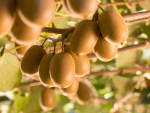
Touch wood, to date the kiwifruit season has generally been good. That’s the view of Colin Bond, chief executive of New Zealand Kiwifruit Growers Incorporated (NZKGI), the organisation that represents kiwifruit growers.
Bond says this good news comes after two challenging years where weather and labour had been a problem.
But he says this season has been a turnaround with no problems with labour or weather and it’s been a very solid growing season. Bond says the favourable weather has meant picking the kiwifruit harvest has been much easier, with few stoppages, meaning a continuous flow of fruit into the postharvest facilities.
“We just need this to continue so that we can get all the fruit off the vines in the same good condition as we have been able to so far,” he says.
Two things that helped this season, says Bond, are the plentiful labour – with more backpackers coming into the country, the lifting of the cap on the number of RSE (overseas) workers from the Pacific Islands allowed into NZ and the rise in the number of kiwi’s seeking work in the sector; and new postharvest automation which requires less labour.
“The most important thing for post-harvest has been the high quality of fruit coming into them from the orchard. With plenty of well-trained staff, combined with the good weather, the post-harvest people are getting consistent supplies which allows them to have better structured shifts and achieve greater efficiency,” he says.
Bond says overall the season has been good, but there are regions such as Tairawhiti where the effects of Cyclone Gabrielle and other rain events have caused big problems for some growers.
Where any worker in the kiwifruit industry is mistreated, we expect the authorities to take action.

Kiwifruit growers are watchful but remain optimistic as concerns around the potential effects of the El Niño weather pattern this season.
Signs for the 2026-27 kiwifruit crop look good, but there are still some challenges for growers – especially those who produce green kiwifruit.
The country's kiwifruit growers seem to have escaped much of the predicted wrath of Cyclone Vaianu which hit the east coast of the North Island this month.
Reports of severe weather forecast to move over the vast majority of New Zealand’s kiwifruit orchards this weekend will be very concerning for a significant number of growers.


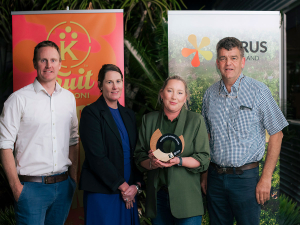
New Zealand's citrus growers were challenged to build their future on the value embedded in their fruit rather than the volume they produce, at Citrus New Zealand's annual gathering in Gisborne on 17 September.

Leading John Deere technicians and apprentices from New Zealand and Australians were recognised at the recent sixth annual JD Technician of the Year Awards, held in Brisbane.
In Dacre, near Invercargill in New Zealand’s South Island, Bruce Dinnington is running a dairy operation unlike any other.
A free online platform aggregating governance vacancies across rural and regional New Zealand has been launched.
Environment Minister Nicola Grigg has announced details of a new rural plastics recycling scheme.
Agricultural drone operators say that a government decision to allow lower-risk drone work without certification won’t lower standards but drive innovation and efficiency.