NZKGI Responds to Migrant Worker Exploitation Reports
Where any worker in the kiwifruit industry is mistreated, we expect the authorities to take action.




 increase font size
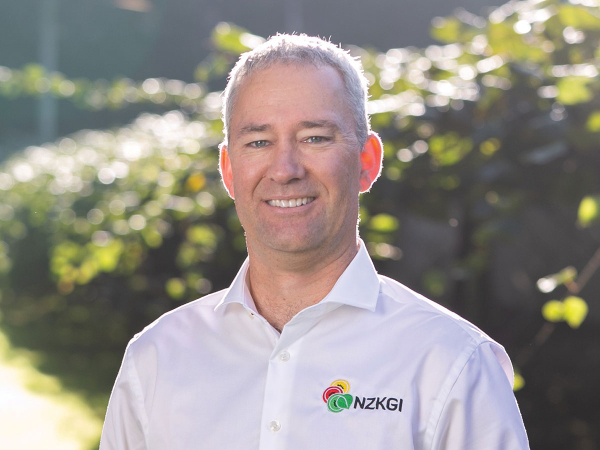 NZ Kiwifruit Growers Incorporated chief executive, Colin Bond, says that there was much less damage than predicted.
The country's kiwifruit growers seem to have escaped much of the predicted wrath of Cyclone Vaianu which hit the east coast of the North Island this month.
With a lot of fruit still to be harvested there were fears that the cyclone could severely damage fruit still on the vines. There were some nervous orchardists in the main kiwifruit growing regions of Bay of Plenty, Tairawhiti and Northland.
But NZ Kiwifruit Growers Incorporated chief executive, Colin Bond, says that there was much less damage than predicted and, at a national level, what damage has occurred will not have an impact on the size of this year's crop. He says damage appears to be limited mainly to shelter belts and some buildings and most of the fruit on the vines has not been affected by the cyclone.
"We have only heard of a few orchards in the eastern Bay of Plenty that might have had some fruit loss caused by kiwifruit being knocked off the vine or being damaged by wind," he told Rural News.
"This picture appears to be the same in all the kiwifruit growing regions. But like any event, there will be some individual growers who have had a worse than expected experience," he says.
While the harvest has been going well, the rain from the cyclone and subsequent rain in the past week has slowed this down. But Bond points out that initially the harvest got off to a good start and growers are hoping the weather will be fine up in the next few weeks.
As the Middle East crisis shows no sign of ending, kiwifruit growers, like others in the primary sector, are having to deal with rising fuel and fertiliser prices - something Bond says is a challenge.
"But the reality is that we see ourselves as price takers. We only produce one crop a year and that is harvested; now we need to make money and get the fruit from the orchards to the supply chain, so the increasing fuel cost is a challenge. But by far the biggest challenge for growers is making sure their fruit gets to market, so we just must accept the fuel rises for now and hope that the government and the authorities are doing all that they can to make sure that we can continue to supply our markets," he says.
Bond points out that while fuel is a cost to growers, by far the biggest cost to them is labour, which makes up between 60% and 70% of orchard costs.
He says the mood of growers is positive and the market signals are good. But he notes that there remain concerns in the long term about what effect the present crisis may have on the economies of nations that we export to, and what if any impact this may have on consumer demand.
Where any worker in the kiwifruit industry is mistreated, we expect the authorities to take action.

Kiwifruit growers are watchful but remain optimistic as concerns around the potential effects of the El Niño weather pattern this season.
Signs for the 2026-27 kiwifruit crop look good, but there are still some challenges for growers – especially those who produce green kiwifruit.
Cyclone Vaianu is continuing its track south towards the Bay of Plenty, bringing with it destructive winds, heavy rain, and large swells, says Metservice.
While Cyclone Vaianu remains off the East Coast of New Zealand, the Waikato Civil Defence Emergency Management (CDEM) Group says impacts have been felt overnight.



Federated Farmers has welcomed new rural policies released by ACT, saying they align closely with its own election priorities.

Rural Contractors NZ says proposed changes to land transport rules for agricultural vehicles are a welcome response by the Government to out of date regulations which have seen members hit with huge fines.
Alliance is calling for final applications for its 2027 Graduate Programme, with applications closing on Sunday 25 October.
Decades piloting planes has ensured vet and farmer David Hayes is focused on safety. So, after a serious accident while welding on farm, he is sharing his experience so others can learn from it.
Canterbury milk processor, Synlait Milk has confirmed Leon Fung as its chief executive officer.
OPINION: Making it easier to collect rainwater and use it to grow crops and livestock is a no brainer.


OPINION: The same mainstream media muppets that brought you Jacindamania in 2017 have been flat out pimping for the Opportunities…
OPINION: Your old mate reckons the atrocious way farmers in the UK are treated by their lords and masters in…




