El Niño: Be Alert, Not Alarmed, Says Massey Professor
Be alert but not alarmed about El Niño. That’s the message from Professor Danny Donaghy, deputy head of the Massey University’s school of agriculture and the environment.
 increase font size
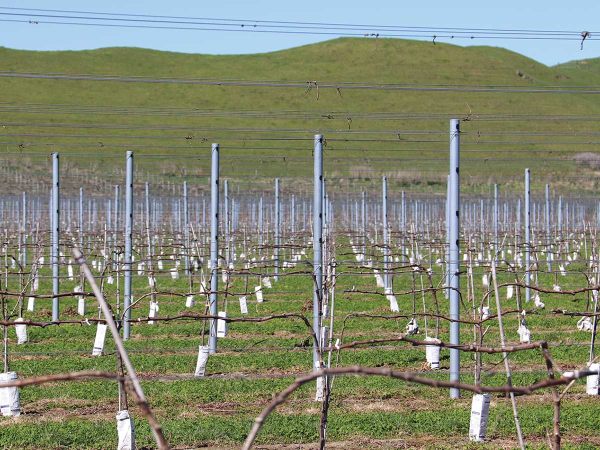 Hawke’s Bay growers are being reminded of the conditions they could face depending on how severe this El Niño might be.
Hawke's Bay fruit growers are being reminded of the need to prepare for whatever the El Niño weather system may bring in the coming months.
Hawke's Bay Fruit Growers Association president, Brydon Nisbet told Hort News that his organisation is putting out a newsletter reminding growers of the conditions they could face depending on how severe this El Niño might be.
He says the region - known as the fruit bowl of New Zealand - has been through El Niños before, and while it can be a problem, there is a chance that it may be good for growers - providing there is rain in the early part of the season.
"Good, warm, dry weather means there are less pest and disease problems than when it's wet. Also, when it's hot and dry you get good quality fruit, but if we get an extreme El Niño, this could potentially cause problems. Right now, there's not a lot of talking or fretting amongst growers about and extreme El Niño," he says.
Nisbet says growers live and work in the weather and therefore they are making plans for whatever conditions that may eventuate.
He says they will be making sure that their irrigation systems are maintained and have checked their sprinklers so that when they switch the system on, everything goes effectively and there are no surprises.
He says there are also other remedies that they can put in place if there are extremely hot, dry days.
"Once you get around to the 38, 29 and 30 degrees Celsius mark, the apple tree shuts down and it's at that point you can get sunburn damage on the apples. To mitigate this, a grower can droop shade cloth over the trees or they can spray their trees with a product that amounts to sunscreen and that can protect the fruit for up to three weeks," he says.
Nisbet says growers have to work out the cost effectiveness of such mitigations, which may depend on the value of the crop.
He says if high winds are forecast, growers may choose to prune excess growth off their trees because leaves can damage the fruit.
One of the big issues for growers is water security and it's no secret that there is support in the primary sector for water storage that enables growers and farmers to better manage the normal summer dry, when low flows become the norm in rivers.
Nisbet says while there are good aquifers in Hawke's Bay, there are limits on how much water can be taken - especially when a drought sets in.
"Most growers are prepared and have systems on their orchards that can record moisture levels and tell them when they need to water. It's all quite advanced in that area with the technology and they don't just water randomly," he says.
In the Hawke's Bay, there are a lot of new apple trees and Nisbet says not only do these trees need more water, they need it on a regular basis. In the meantime, it's a case of wait and see.
Be alert but not alarmed about El Niño. That’s the message from Professor Danny Donaghy, deputy head of the Massey University’s school of agriculture and the environment.
Keeping up with pasture moisture demands is likely to be the key challenge for dairy farmers during this season’s El Niño weather pattern, says Blue Skies Weather & Climate Services meteorologist Tony Trewinnard.
El Niño has officially been with us for several weeks now, and late winter and early September have given us a taste of what is to come.
With a very strong El Niño increasing the odds of a dry and windy winegrowing season in New Zealand’s eastern regions, the industry should take measures to prepare.
Three and a half years on from when Cyclone Gabrielle hit Hawke's Bay, some orchardists in the region are still receiving counselling to help them deal with the trauma they suffered.
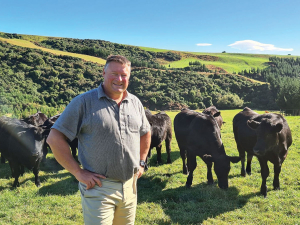
Groundswell is welcoming the resignation of Rob Hewett as Farmlands chair, saying the agribusiness leader has made the right call.
Farmlands shareholder directors are urging farmers and growers to vote ahead of the Farmlands AGM 2026, with the deadline to appoint a proxy at 6.30pm this Sunday 22 November.
Lamb survival has always been a key driver of sheep farm performance.
For the second time in three weeks, Fonterra has lifted its farmgate milk price, on the back of soaring milk powder prices.
The 2027 East Coast Farming Expo will continue a decade long tradition in bringing the latest innovation, intriguing speakers, industry leaders and more.
Halter has launched Mav, an AI farming assistant that lets dairy farmers ask questions about their herd and pasture and get answers drawn from the data the company’s collars already collect.