Growers See Red Over Proposed Blueberry Import Standards
New import standards could put New Zealand’s blueberry industry and the wider horticulture industry at risk.
 increase font size
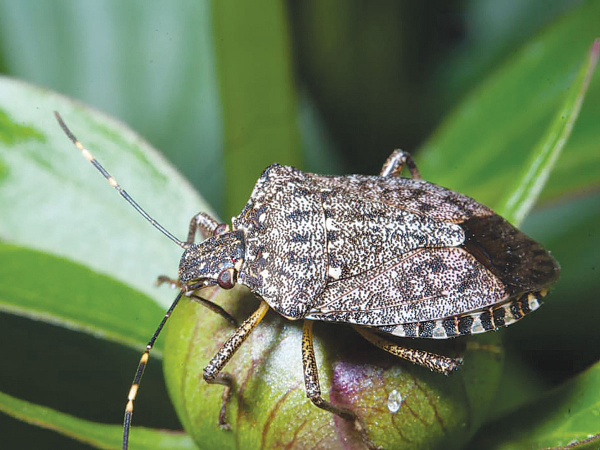 Brown marmorated stink bug is considered a major threat to New Zealand's horticulture industry.
Biosecurity New Zealand says it is ramping up a public awareness campaign designed to encourage people to report possible sightings of brown marmorated stink bug.
BMSB is considered a major threat to New Zealand’s horticulture industry, causing damage to flowers, stems, leaves and fruit of host plants.
Significant crops likely to be impacted by an infestation in New Zealand include apples, corn, wine grapes, kiwifruit, and various stone fruit varieties.
Funded jointly by Biosecurity New Zealand and industry members of the BMSB Council, the summer campaign will run from November to March, targeting local gardeners and online shoppers who receive goods from overseas.
Biosecurity New Zealand deputy director-general Stuart Anderson says his organisation is well prepared for the high-risk season.
“There is ongoing monitoring of the threat posed by countries that have known BMSB populations. Officers target passengers, craft and goods that could be contaminated with BMSB,” he says.
Anderson says BMSB measures have been very effective to date.
“There continues to be no evidence of any established BMSB population in New Zealand.
“We ask international travellers to be understanding of the need to protect New Zealand and our economy as they get their bags checked or are required to answer questions from our frontline staff,” he says.
Anderson says the recent detection of two live BMSB at Auckland Airport demonstrates the importance of strong biosecurity controls.
A Biosecurity New Zealand quarantine officer detected a single live BMSB at an airport search bench on 8 October while processing passengers arriving from the United States.
The second bug was recently found on an aircraft from South Korea prior to passengers leaving the plane. Officers detected a further 286 dead BMSB on arriving vessels and cargo.
Anderson says the number of live interceptions has dropped considerably in the past few years, largely due to the introduction of strict import rules.
“Improved reporting and monitoring have also allowed officers to better target risk goods. For example, there was a greater focus on air cargo during the 2021/22 season following increased BMSB detections in this pathway.
“We have also seen high levels of engagement from the shipping industry in the past and want this positive relationship to continue. Accurate reporting of detections by crew helps Biosecurity New Zealand target its surveillance and other actions.”
Anyone who thinks they've found BMSB is asked to catch it, snap it (take a photo), and report it. The find can be reported online or via Biosecurity New Zealand’s hotline ¬ 0800 80 99 66.
New import standards could put New Zealand’s blueberry industry and the wider horticulture industry at risk.
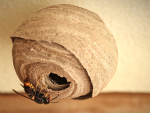
Biosecurity New Zealand says Kiwis should continue to keep an eye out for yellow-legged hornets (Vespa velutina) over the holiday season.
Biosecurity New Zealand is intensifying its campaign to locate and eliminate the invasive yellow-legged hornet, following confirmed detections on Auckland's North Shore.
The head of the Ministry for Primary Industries (MPI) biosecurity operation, Stuart Anderson, has defended the cost and the need for a Plant Healht and Environment Laboratory (PHEL) being built in Auckland.
Biosecurity New Zealand says that more officers, detector dogs, and airport hosts, accompanied by an enhanced public awareness campaign, will bolster New Zealand’s biosecurity protections this summer.


Farmgate lamb prices are down by 8%, beef cattle by 4.5% and farm expenditure up by 4.2%.
Kiwifruit growers are watchful but remain optimistic as concerns around the potential effects of the El Niño weather pattern this season.
Almond hulls sourced from Australian orchards may have the potential to help New Zealand cows reduce emissions, boost milk yield and lower input costs.
Striking a balance between meeting the needs of industry to speed up approval time for products but on the other hand ensuring that risks are properly assessed.
Surprised, humbled and quite thrilled. That’s the reaction of James Allen, one of the founding partners and now chief executive of AgFirst, on being made a life member of the Institute of Rural Professionals.