Westpac Urges Farmers to Prepare Now for El Niño Drought
Westpac NZ is calling on farmers and growers to start preparing now for the possibility of a dry summer, as likely El Niño conditions raise the risk of drought across parts of the country.
 increase font size
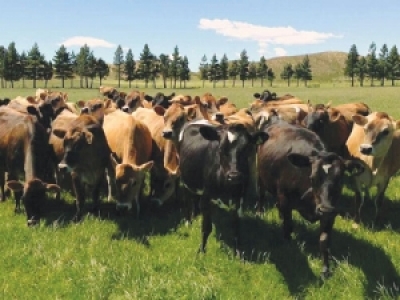 A cool cow in summer is a happy cow, says DairyNZ animal welfare team manager Chris Leach.
A cool cow in summer is a happy cow, says DairyNZ animal welfare team manager Chris Leach.
He says with the El Nino weather pattern bringing heatwave conditions to many parts of the country, it's important to make sure cows avoid heat stress.
AgResearch studies indicate that NZ cows can suffer heat stress when temperatures go above 23°C and humidity is high, especially when there is little or no wind.
"When cows get too hot appetite and feed intake decrease and if they can't cool down by using shade or other means, milk production is likely to decrease," says Leach.
Normal respiration rates vary from 15-25 breaths per minute; a rate of more than 30 breaths per minute indicates that cows are heat stressed. Really hot cows will start to pant and breathe through an open mouth with the tongue hanging out.
"Any activity such as walking to and from the dairy, to the water trough, or grazing, increases the risk of heat stress," he says.
"Digesting food and producing milk also generates heat in dairy cows, and on hot days this can overload their system. High producing animals tend to eat more, and so are more susceptible to heat stress."
If night time temperatures are also very warm it can become even more difficult for cows to cool down without extra help through good summer management. Moving to once-a-day milking can also help and although not usually the prime reason for changing milking strategy, it may well be a contributing factor worth considering.
When hot conditions are forecast, there are some good short-term ways to reduce the risk of heat stress for cows and minimise milk production losses:
Graze cows on pasture close to the dairy so they don't have to walk as far for milking, and let them move at their own pace
Milk cows later in the afternoon/early evening when the temperature has dropped
Use paddocks with shade or provide cows with access to well ventilated shaded housing and provide supplementary feed at night so the extra heat generated by digestion occurs in the coolest part of the day
Make sure cows always have a good supply of clean drinking water; milking cows can drink over 100L of water per day in summer.
Cool cows while they wait to be milked by providing shade or using a sprinkler system in the dairy yard. Wetting the skin is one of the most effective ways to cool a cow, however high humidity can make sprinklers less effective on a hot concrete surface.
Studies show that preventing heat stress is cheaper than trying to manage the consequences once cows become heat stressed.
Westpac NZ is calling on farmers and growers to start preparing now for the possibility of a dry summer, as likely El Niño conditions raise the risk of drought across parts of the country.
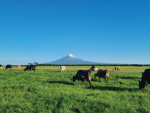
A spate of southerly winds bringing cold temperatures has presented challenges for Taranaki dairy farmers.
Have a plan in place for your cows and staff.
Drench Options are become increasingly limited for sheep farmers, highlighting the importance of proactive parasite management planning within the wider farm system to stretch the longevity of drench as a tool.
If you're thinking about investing in ways to push feed forward, this is the year to do it.


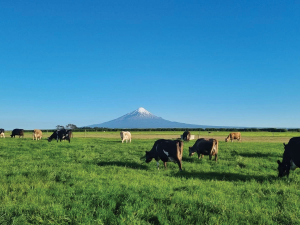
A spate of southerly winds bringing cold temperatures has presented challenges for Taranaki dairy farmers.
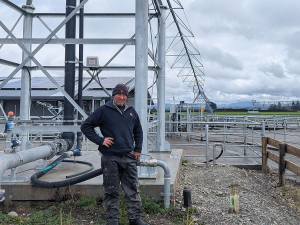
Converting a longstanding cropping farm to dairy was the only way to ensure the land stayed in the family long term, says new dairy farmer Rod May.
As the election heats up, Organics Aotearoa New Zealand (OANZ) has launched its election scorecard designed to help voters wanting to support policies that grow organic and New Zealand's organic sector.
A 'tsunami' of milk from key exporting countries is winding down and this may be good news for New Zealand dairy farmers.
Will the good times last? That's one of the key issues to come out of the latest Federated Farmers confidence survey.
Outgoing Fonterra Co-operative Council chair John Stevenson says that it has been a privilege to represent the co-op's farmer shareholders.