Lambing is now well advanced around much of New Zealand, including in areas where drought-like conditions are presenting real challenges for farmers, on top of a poor run of prices for their product.
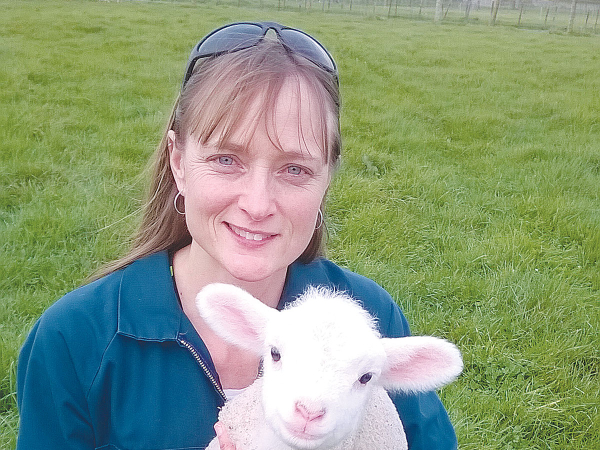
Dr Sue McCoard is a senior scientist for AgResearch who has spent much of her career researching livestock rearing, survival and nutrition, including lambs raised for the meat and dairy industries. With AgResearch colleagues, Sue has produced a Lamb Rearing Guide that is available as a free resource to farmers.
Here, McCoard identifies what the research shows are the five key focus areas for farmers to achieve successful lambing, and good outcomes from early life as those lambs are raised:
It starts with Mum
The research shows that having good nutrition and body condition score for the pregnant ewe is critical to support ewe lactation, lamb survival and growth. Nutrient requirements increase substantially in mid-late gestation and early lactation. Body condition scoring and pregnancy scanning are great tools to support nutritional management to target the right feed to the right animal at the right time.
Environment and shelter
Well-fed ewes have greater reserves to cope with stressful condition (e.g. poor weather) and have stronger more vigorous lambs. Young lambs, especially in the first few weeks of life are particularly vulnerable to environmental factors that can influence their ability to survive and thrive. Requirements vary for lambs that are naturally reared outside to those artificially reared in housed systems (e.g. orphans or lambs in dairy sheep systems).
Read More
Nutrition
Good nutrition is one of the easiest strategies to support health, production and welfare of lambs. Many factors influence growth performance and health of lambs including breed, litter size, colostrum/milk/solid feed quality and quantity, hygiene, and rearing environment (e.g. ambient temperature). Undernutrition, or inadequate nutrition, can impair growth and development including immune function, with lifelong consequences for health, productivity and welfare.
Weaning
In much of the New Zealand, farmers now have lambs on the ground and are turning their attention to weaning (the shift to food other than the mother's milk). The success of transition from milk to solid feed is inextricably linked to both solid feed intake as well as weaning methods. Key driver of weaning success are supporting a well-developed rumen prior to weaning, maintaining high feed quality and quantity, and minimising stress during this important dietary transition.
Animal Health
Healthy lambs start with healthy ewes that are well-fed during pregnancy and lactation. Lambs are born with no natural immunity and therefore rely on colostrum (first secretion from the udder) to provide defence against external pathogens. Implementation of best practice animal health protocols (e.g. vaccinations) and good nutritional management of ewes and lambs are fundamental for good health and productivity. A number of animal health issues can arise in lambs, especially in housed systems. Proactive management to reduce the risk of disease and being prepared to manage if/when they arise is important.
Access AgResearch's Lamb Rearing Guide at: www.agresearch.co.nz/our-research/lamb-rearing-guide/