With the global spread of highly pathogenic avian influenza (HPAI) making headlines around the world, the Department of Conservation (DoC) is taking steps to secure the safety of several endangered bird species that call New Zealand home.
DoC has collaborated with global animal health company Zoetis and Pacificvet, supplier of vaccines and veterinary immunology products to the poultry industries in New Zealand and the South Pacific.
This world first comprehensive multi-species avian wildlife HPAI vaccination safety and efficacy trial is based upon a previous collaboration among Zoetis, the United States Department of Agriculture Animal and Plant Health Inspection Service (USDA APHIS) and the United States Fish & Wildlife Service to help protect the endangered California condors.
New Zealand has never had HPAI. The Ministry for Primary Industries granted approval for the Poulvac Flufend RG A9733 vaccine from Zoetis, which is not commercially available in New Zealand, to be used in a controlled trial to test its safety and efficacy in a select number of endangered birds.
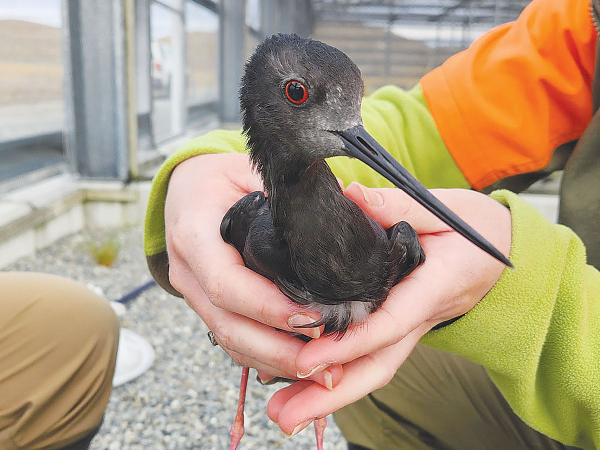
DoC has worked with Pacificvet to trial the vaccine’s use in five species – shore plover, red-crowed parakeet (as a surrogate for orange-fronted parakeet), black stilt and kakapo. The trial began in January 2024 and vaccinations were completed for all five species in May 2024. These species are listed as endangered or critically endangered on the International Union for Conservation of Nature Red List of Threatened Species and are reliant on captive breeding for species’ survival. It is not possible to vaccinate all endangered native birds, but it may provide an effective tool to protect species in captivity where the full two doses of vaccine can be given.
The aim of the trial is to assess the safety and efficacy of the vaccine in the five species. The birds are being monitored, and none have shown any adverse reactions to the vaccine. All five species have shown a positive antibody response to vaccination, and will be tested again shortly to measure the duration of that immunity.
Once the trial is completed, there will be evidence to show how well the vaccine works and how much protection it might provide to these species. Vaccination would then only be used after HPAI has arrived in New Zealand, to ensure the protection is recent and strong.
Read More
“Zoetis has a long history of supporting veterinarians working to protect wildlife and endangered species, and through our CTED, we are combating diseases that pose the greatest risk to animals and humans,” said Vanessa Macdonald, general manager for Zoetis New Zealand.