
Editorial: A Poor Policy
OPINION: At a time when farmers are advocating for less government spending and no new taxes, the dairy sector is rightly concerned by ACT's new immigration policy.
 increase font size
 ACT Party leader David Seymour at the National Fieldays earlier this year.
In a new policy announcement made this morning, the ACT Party says rural regulations will be the first to hit the chopping block if the party is elected.
According to party leader David Seymour, who announced the policy from a farm in Rotoorangi in the Waikato, the primary sector would be one of the first four sectors to undergo what he calls a ‘red tape review’ by a new Minister and Ministry of Regulation.
“New Zealand’s biggest export industry is tied up in endless red tape,” says Seymour. “If we want New Zealand to have a prosperous future and a productive economy, we need to let farmers get back to what they do best.”
Already set for the chopping block if ACT is elected, Seymour says, are the following:
“There has been an avalanche of red tape and regulation on farmers. These are just the big ticket items, every farmer we’ve spoken to seems to have a fresh example of a new compliance course or form of paperwork they’re having to complete to keep the Government happy,” says Seymour.
He says ACT would task its Ministry of Regulation with working with the rural sector and understanding the burdens farmers face from different regulations.
“Many of the regulations that farmers need to comply with are designed to achieve similar objectives and should be simplified to avoid wasted effort. Other regulations were obviously written by Wellington bureaucrats who have probably never worn gumboots in their life,” he says.
“Farmers need real change,” he says.
“Farmers in countries who are our biggest trading partners are not paying a price for their methane emissions,” says Seymour. “Under ACT, New Zealand farmers wouldn’t either.”
“If we set more aggressive targets than other countries, it will not only harm the economy but also force activity to less efficient jurisdictions, increasing global emissions,” he says.
“ACT wants to see the rural sector given the respect it deserves. That means letting farmers get on with what they do best.”
OPINION: At a time when farmers are advocating for less government spending and no new taxes, the dairy sector is rightly concerned by ACT's new immigration policy.

ACT's new immigration policy has come under fire from farmers and the Government.
ACT MP and Minister for Biosecurity Andrew Hoggard says he's hearing a common story about school buses, with empty seats, driving past pick-up points, while a parent follows behind in a farm ute, burning fuel and taking up time to get their children to school.
Associate Agriculture Minister and Manawatu dairy farmer Andrew Hoggard says the free trade agreement (FTA) negotiated with India is not a bad deal and his party, Act, will support it when it goes before Parliament.
OPINION: If David Seymour's much-trumpeted Ministry for Regulation wants a serious job they need look no further than reviewing the rules and regulations governing members of the so-called House of Representatives.


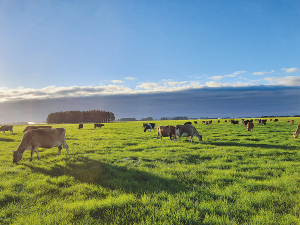
OPINION: Farmers around the country are welcoming the proposed reform of local government.
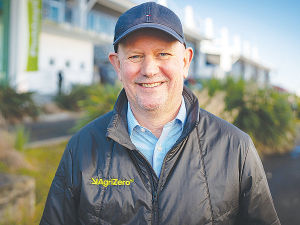
A move to boost farmer uptake of low methane emitting sheep is underway.
Silver Fern Farms has tackled the ongoing war-induced shipping challenges to mideast markets by airlifting 90 tonnes of chilled New Zealand lamb and beef to the United Arab Emirates.
The primary sector is leading New Zealand's economic recovery, according to economist and researcher Cameron Bagrie.
Dairy industry leader Jim van der Poel didn't make much of the invitation he received to the recent New Zealand Dairy Industry Awards in Rotorua.
Farmers around the country are going public big time, demanding their local district, city and regional councils come up with amalgamation plans that meet the needs of rural communities and don't allow urban councils to dominate.