Ravensdown Elects Montgomery, Acland to Board
Ravensdown shareholders have elected Jane Montgomery and Kate Acland to the Ravensdown Board for three-year terms, following a closely contested director election.
 increase font size

FERTILISER CO-OP Ravensdown has called time on its money-losing Western Australian operation, five years after launching this first trans-Tasman venture.
Negotiations announced last week to sell the 4000 member, 39 employee WA operation are part of a wider strategy review which saw it sell its WA agrichemical business in April, and South Australia joint venture Direct Farm Inputs in February.
Chief executive Greg Campbell, who joined the Christchurch cooperative in February, says latest year-end results from the WA business are still being audited but an operating loss of $9m looms, on the back of three previous years of smaller losses.
"A clear action plan to turn around that business over the last year was implemented, but the business still made a loss. Any on-going losses are unsustainable because, as a co-operative, each part of our operation ultimately needs to stand on its own feet and contribute."
Campbell says a strengthening balance sheet and increased profitability will enhance New Zealand shareholders' access to "quality fertiliser at lowest sustainable cost" and reduce risk and debt. Working capital debt is forecast down $150m.
Ravensdown's Queensland operation is not part of the discussions.
Late last month the cooperative announced a tie-up with Mid Canterbury rural retailer ATS, to provide a nationwide charge card service, Ruralco.
Ravensdown shareholders have elected Jane Montgomery and Kate Acland to the Ravensdown Board for three-year terms, following a closely contested director election.

OPINION: It appears to be difficult for people who haven’t tried to run a business to understand the difference between assets and cash.
OPINION: In the 1980s, concern was expressed in West Germany about the falling birth rate. Some simple analysis was performed by Professor Helmut Sies, physician and biochemist at Dusseldorf University. His letter ‘A new parameter for sex education’ was published in Nature in 1988:
Plan ahead and be patient. That’s the message to farmers and horticulturalists from the chairman of the NZ Agricultural Aviation Association, Kent Weir.
Amazone's ZG-TX combi spreader has been updated with several new features, centred around improved accuracy and easier operation.

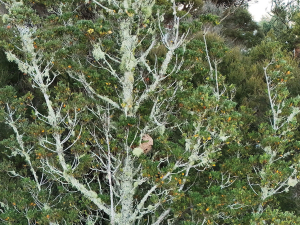
Will drones be the answer to tackling the problem of wasp and hornet nests high up in trees and other inaccessible places?
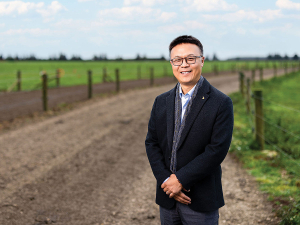
Canterbury milk processor Synlait has come through tough times and is now ready to scale up from a stable base, says its newly confirmed CEO Leon Fung.
NZPork says a ham made in New Zealand is not necessarily made from New Zealand pork.
Rural Contractors NZ says proposed changes to land transport rules for agricultural vehicles are a welcome response by the Government to out-of-date regulations which have seen members hit with huge fines.
With New Zealand’s greenhouse gas emissions in the spotlight, Auckland scientist Nathan Balasingham says there’s a better way to tackle the problem than shrinking cow numbers or fertiliser usage.
Massey University vice chancellor Pierre Venter says his institute is moving from a period of austerity into a growth phase, based on their new strategy.