Naki unveils the world’s most expensive manuka honey
Naki Honey, a New Zealand manuka apiary company, has crafted what is believed to be the world's most expensive honey.
 increase font size
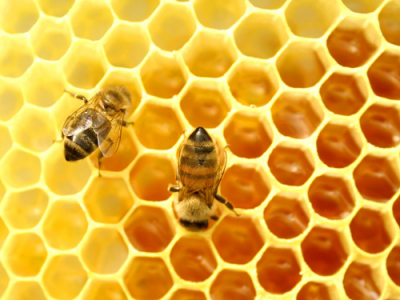 The campaign highlights the need for farmers and beekeepers to work together to manage the use of agrichemicals near hives.
Agcarm and Apiculture New Zealand have started a campaign to raise awareness of the importance of keeping bees safe by using agrichemicals responsibly.
The campaign began in September to highlight the need for farmers and beekeepers to work together to manage the use of agrichemicals near hives.
A flyer and poster have been produced on protecting bees from unintended agrichemical exposure and tips on reducing risks to bees. Bees are extremely good crop pollinators, so contribute substantially to New Zealand’s multibillion dollar agricultural economy.
Agrichemicals are also vital for ensuring the security of New Zealand’s food supply and, when used responsibly, pose no threat to our bee population.
Agcarm chief executive Mark Ross says, “It’s important that we remain vigilant and address any potential risks to our bees. We need to work together to ensure the coexistence of two of New Zealand’s most important industries.”
Rural retailers are backing the bee safety message and the posters and flyers are displayed in some Farmlands stores.
Naki Honey, a New Zealand manuka apiary company, has crafted what is believed to be the world's most expensive honey.
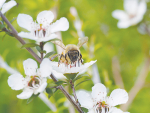
The message for the 2025 World Bee Day is a call to action for sustainable practices that support bees, improve food security, and protect biosecurity in the face of mounting climate pressures.
The agency charged with controlling the serious bee disease American Foul Brood (AFB) has defended itself against criticism from a North Canterbury beekeeper who was recently ordered to destroy equipment following a find of AFB spores in his storage shed.
Mark Ross has started in his new role as chief executive of the Wood Processors and Manufacturers Association of NZ (WPMA).
Animal and Plant Health NZ chief executive Mark Ross says the Government needs to step up efforts to support the rural sector so that all Kiwis can access safe, healthy and affordable food.



Celebrating 50 years in the rural landscape of Central Canterbury and beyond, Ashburton-based Carrfields, has been the exemplar for all aspects of modern agriculture via its extensive range of services including supply, growing, agronomic advice and marketing.

For Taupiri dairy farmers Logan and Sian Dawson, their involvement in the NZ Dairy Industry Awards has been a key catalyst in the growth of their business - the experience helping shape how they approach the farm ownership pathway they are pursuing today.
West Otago dairy farmer Luke Kane has been awarded the 2026 Rabobank Dr John Morris Business Development Prize.
OPINION: As the general election approaches, political parties are churning out policies in the hope of attracting more votes.
An LIC bull, Tronnoco AR Sadio-ET S3F, bred by Tony and Keri O'Connor of Tronnoco Farming Co Ltd near Timaru, has won the 2026 Mahoe Trophy.
With forecasters advising El Niño conditions will develop through winter and strengthen into spring and summer, Ballance Agri-Nutrients is encouraging farmers and growers to think ahead about nutrient planning and be prepared to work around challenging weather conditions.