fbpx
Print this page
Wednesday, 04 December 2024 11:55

Beef genetics survey

Written by  Staff Reporters
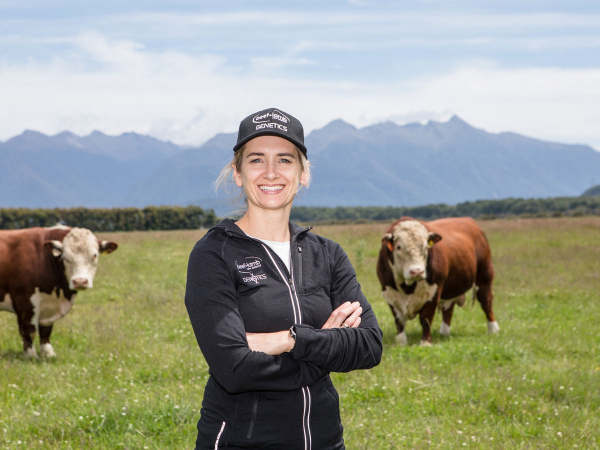
INZB programme lead Dr Gemma Jenkins. INZB programme lead Dr Gemma Jenkins.

New Zealand's primary sector is being called on to help shape the future of the country's industry by sharing views and insights about the availability and use of genetic tools.

The Informing New Zealand Beef (INZB) programme has launched its fourth annual industry survey aimed at farmers, beef breeders and rural professionals, including agricultural consultants and facilitators, stock agents and vets. The survey closes on Monday, December 9, 5pm.

INZB programme lead Dr Gemma Jenkins says findings from the previous surveys had already been incorporated into programme activities.

The seven-year programme aims to boost the sector's profits by $460m over the next 25 years. It is developing a beef genetic evaluation system that includes traits that are important to New Zealand beef farmers, supporting a sustainable beef farming industry.

"We really encourage farmers and others involved in the sector to complete this year's survey, even if they have already taken part in previous years. This enables us to measure changes in views and the uptake of genetic tools over time," says Jenkins.

More like this

Three Pillars of BVD Control

Solid biosecurity practices, regular monitoring and timely vaccination are the three key pillars of effective Bovine Viral Diarrhoea (BVD) control on New Zealand farms. Zoetis veterinary technical advisor, Karley DeFrees, explains BVD is a costly but preventative disease that impacts a significant number of dairy farms in New Zealand. Implementation of a BVD control plan can help protect your herd from this avoidable disease.

Clostridial Disease in Lambs: NZ Vaccination Guide

Although preventable, lamb loss from clostridial diseases during the first year of life on New Zealand hill country farms continues to be an issue. A field trial, where lambs were vaccinated at docking and weaning, demonstrated that vaccination was highly effective, lowering clostridial deaths by 23%. Zoetis veterinarian Dr Victoria Chapman unpacks the importance of robust animal health programmes, vaccination timing and the potential harmful consequences for stock when vaccination isn't given.

BVD Control in Dairy Herds: How to Find & Remove PI Animals

Bovine Viral Diarrhoea (BVD) is estimated to cost New Zealand's dairy and beef industries more than $150 million every year, yet many of the tools needed to control it are already well understood. After more than 25 years in veterinary practice, Andrew Weir, animal health technical specialist at LIC, has seen firsthand the impact BVD can have on herd performance. We asked him about the role of persistently infected (PI) animals and the practical steps farmers can take to reduce their risk.

Transition Period: The Make-or-Break Window for Dairy Cows

The transition period is the make-or-break window for your entire season. If this period is poorly managed, you don't just see a few downer cows, you see a downward spiral that affects the cow's health, production and reproduction long into the season.

Featured

Peter Reynolds Awarded Horticulture NZ's Bledisloe Cup

Potatoes New Zealand has congratulated Peter Reynolds of TA Reynolds Ltd in Pukekohe on being awarded the Horticulture New Zealand Bledisloe Cup, recognising a lifetime of service and contribution to New Zealand horticulture.

Sharemilkers Credit DairyBase Tool for Staffing Decisions

Signing up to a benchmarking tool is not about competition, but about improving collectively, says Ximena Puig and Alvaro Luzardo who are 50-50 sharemilkers at a 164-hectare (effective) dairy farm in Eketāhuna in the Lower North Island.

National

Machinery & Products