India FTA Removes 33% Tariff on NZ Sheepmeat
New Zealand’s red meat sector has welcomed the India-New Zealand Free Trade Agreement taking effect, which removes India’s 33% tariff on New Zealand sheepmeat.
 increase font size
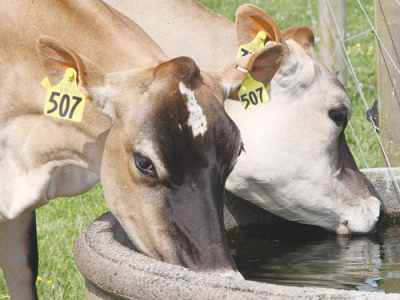
A newly-released report shows major environmental and economic gains for farmers in using reticulated stock water systems, claims Primary Industries Minister Nathan Guy.
“This is the first study that has ever been done to quantify the benefits of installing an on-farm stock water system on hill country, and it shows excellent results,” Guy says.
The study involved investment analysis of 11 hill country sheep and beef farms across New Zealand who had invested in stock water systems on their properties.
“The analysis showed a significant return on investment for all of the properties. The average Internal Rate of Return was 45% and on some farms was as high as 85%. On average, the time it took to repay the initial investment was three years.
“Without fail, every single farmer who took part in the study said their investment was a good decision. They found it helped cope with drought conditions and enabled them to better graze hill country areas. This has meant improved pasture utilisation and production, as well as improved stock numbers and stock performance.”
Guy says providing stock with alternative drinking sources reduced pressure on waterways and allowed environmental improvements that couldn’t otherwise be made.
“Waterways, wetlands and dams were able to be fenced off while riparian strips were planted and regeneration programmes instated.
“One of the unquantified benefits was the greater peace of mind as they didn’t have to worry about animals getting stuck in dams during dry periods.
The report was jointly funded as a Regional Economic Development initiative by MPI, MBIE and Beef+Lamb NZ.
The full report is available at: www.mpi.govt.nz/growing-and-producing/stock-water
New Zealand’s red meat sector has welcomed the India-New Zealand Free Trade Agreement taking effect, which removes India’s 33% tariff on New Zealand sheepmeat.

New Zealand's role is not to compete with Indian growers, according to NZ Apples and Pears.
The red meat sector is in great heart.
Testing confirms H5 bird flu in a single northern giant petrel, found dead on a remote Cape Palliser beach in the Wairarapa, says Dr Mary van Andel, the Ministry for Primary Industries' (MPI) Chief Veterinary Officer.
The apple sector is working with the Government to unlock access to two key markets that could bring millions in revenue for apple growers.



Federated Farmers has welcomed new rural policies released by ACT, saying they align closely with its own election priorities.

Rural Contractors NZ says proposed changes to land transport rules for agricultural vehicles are a welcome response by the Government to out of date regulations which have seen members hit with huge fines.
Alliance is calling for final applications for its 2027 Graduate Programme, with applications closing on Sunday 25 October.
Decades piloting planes has ensured vet and farmer David Hayes is focused on safety. So, after a serious accident while welding on farm, he is sharing his experience so others can learn from it.
Canterbury milk processor, Synlait Milk has confirmed Leon Fung as its chief executive officer.
OPINION: Making it easier to collect rainwater and use it to grow crops and livestock is a no brainer.