The need for world-class biosecurity remains the highest priority for agriculture industry leaders.
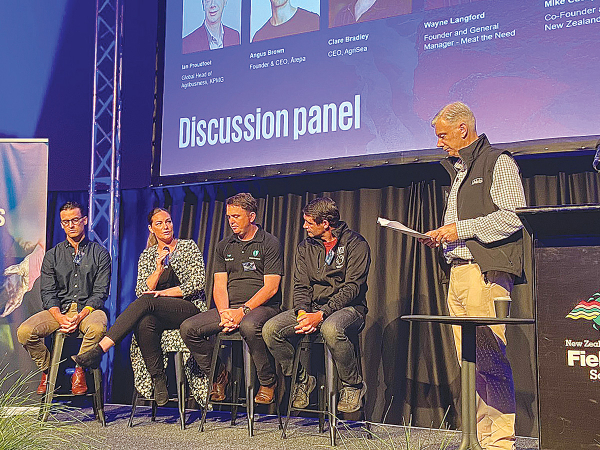
This is according to the 2023 KPMG Agribusiness Agenda report (The Agenda) released last week at the Fieldays. For the 13th consecutive year, rural sector leaders are concerned not only about incursions but the country's ability to have a "match-fit, on standby army" ready to respond.
KPMG's global head of agribusiness Ian Proudfoot notes that after a relatively benign year in respect of incursions, the issue did not feature prominently in discussions.
"Although foot and mouth disease has advanced in Asia Pacific, with an outbreak occurring in Indonesia, biosecurity was only raised during two roundtables," he adds.
"The point was made that as the impacts of climate change increase, we must recognise that extreme weather events and new temperature norms create conditions for pests and diseases to arrive and become established across the country. Recognising biosecurity as the highest priority suggests leaders understand the risks; however, we need to be careful not to pay lip service to the threat but take practical steps to ensure we are prepared and ready to respond when and incursion occurs."
Proudfoot says the strain that recent weather events have placed on civil defence systems was highlighted, as was the importance of the informal community army in responding to such emergencies.
"The question was posed whether we have a match-fit, on standby army ready to respond, with the need to be clear on their role should we experience a biosecurity incursion."
The second highest priority for leaders is the need for free trade agreements.
This is a change from last year when leaders' conversations hardly mentioned markets and consumers, with most issues raised focused on domestic matters.
Proudfoot notes that there was significantly more discussion on trade this year, with the subject being raised in each roundtable. Much of the discussion revolved around the changing nature of international trade and concerns that we are over-exposed to the Chinese market.
He says concerns were also expressed around the new ways trading partners are introducing constraints on free trade. For instance, through the implementation of behind-the-border nontariff barriers – including measures such as potential cross border adjustment mechanisms to impose carbon taxes on imported products with higher footprints than local equivalents.
“While the new FTAs signed with the UK and EU are welcomed, the point was made that the new agreements are unlikely to make a big difference for many sectors,” Proudfoot says.
“Some contributors expressed a view that there is a better opportunity for us to grow trade through refreshing existing agreements to ensure we maintain preferential access and minimise informal non-tariff barriers rather than seeking new agreements.”
Other high listed priorities include the need for better immigration settings, broadband equality and for the first time, gene editing made its debut in the top 10. Proudfoot says the need to discuss gene editing has been a background issue in The Agenda for the last few years.
“Concerns have grown that failing to have the debate puts the industry at risk of irreversibly falling behind competitors. The issue, however, has only now made its debut in the top 10.”
The other new entries into the top 10 relate to accelerating investment in rural infrastructure and maximising the sustainable use of the oceans.
Proudfoot says it’s been another challenging report to write because so much is happening but no clear pathways forward.
“Amongst the many current sector leader roundtables we held, it was clear to me that the leaders believe that there is significant anxiety about what the future holds across the sector and concern about whether the sector and their organisations have the resources, capabilities and skills ready to respond to what lies ahead.”