MPI Opens New Canberra Position to Support Exporters
In line with New Zealand’s strategy to open up new markets, the Ministry for Primary Industries (MPI) his extending its diplomatic footprint.
 increase font size
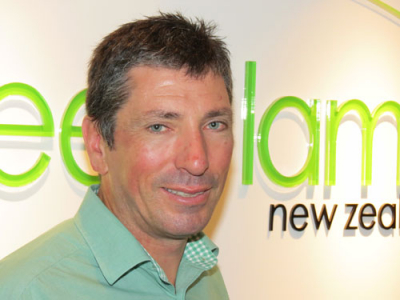 Beef + Lamb New Zealand chief executive, Sam McIvor.
Sheep and beef farmers are welcoming an additional $18 million in funding for biosecurity.
Beef + Lamb New Zealand chief executive, Sam McIvor says the additional $18.4m, announced in last week's Budget, recognised that biosecurity was a risk to primary production and a threat to the wider New Zealand economy.
“We’re pleased the Minister for Primary Industries, Nathan Guy has made this commitment to biosecurity.
“We realise everyone has a role in biosecurity and it’s an issue farmers take very seriously. Everyday farmers manage invasive weeds, animal health issues and keep watch for new and emerging pests and diseases.
“The sector is a large investor in disease control and biosecurity systems like the TB eradication Plan and NAIT and through the Red Meat Profit Partnership there is work underway for piloting enhanced food safety and biosecurity traceability by making all stock mob movements electronically traceable (electronic Animal Status Declarations eASDs).”
McIvor said B+LNZ has helped to shape the Biosecurity 2025 Strategy and the organisation looked forward to playing its part in helping MPI, along with all New Zealanders in implementing its vision for protecting New Zealand.
Guy says biosecurity has always been his number one priority as Minister because the primary sector is the backbone of our economy.
“Unwanted pests and diseases have the potential to cause major damage to our producers,” Guy says.
“There are increasing demands on our biosecurity system because a growing economy means more people are travelling here and trade volumes are increasing.
“These new initiatives will help us prepare for this challenge and implement the Biosecurity 2025 Direction Statement, which was publicly released last year and sets out a long-term vision for protecting New Zealand.
“Part of the new funding will be used to manage biosecurity risk off-shore so fewer pests and diseases make it to New Zealand. Import Health Standards (IHS) will be reviewed to ensure the rules around importing goods are strong and up to date,” Guy says.
In line with New Zealand’s strategy to open up new markets, the Ministry for Primary Industries (MPI) his extending its diplomatic footprint.

The head of the Ministry for Primary Industries (MPI) trade and international relations group says New Zealand is well-positioned to secure trade access and compete internationally as the world becomes more complicated, demanding and uncertain.
Three men have been sentenced in District Courts after Ministry for Primary Industries prosecutions over animal welfare, food safety and cattle tracing offences.
New Zealand’s red meat sector has welcomed the India-New Zealand Free Trade Agreement taking effect, which removes India’s 33% tariff on New Zealand sheepmeat.
New Zealand's role is not to compete with Indian growers, according to NZ Apples and Pears.
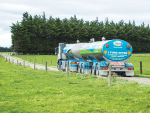
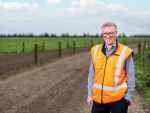
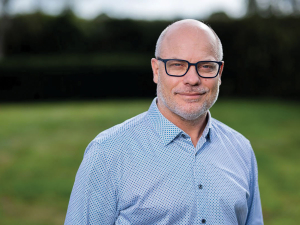
New analysis from DairyNZ highlights the growing importance of efficiency and cost control in maintaining profitability, with a widening gap between New Zealand’s highest and lowest performing dairy farms.
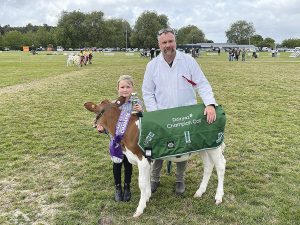
For eight-year-old Myra Smith, weeks of caring for and preparing her Red Holstein Friesian calf, Bell, have paid off, with the young Te Pahu handler taking home the Champion Dairy Type title at the recent Waikato A&P Show held at Claudelands.
A titan of the meat industry but a humble and generous guy.
In line with New Zealand’s strategy to open up new markets, the Ministry for Primary Industries (MPI) his extending its diplomatic footprint.
Demand for dairy products over the next two decades will increasingly be shaped by demographic shifts, rather than population growth alone.
The global dairy industry is fighting back against alternative proteins masquerading as dairy products.