Chief executive Sirma Karapeeva told Rural News that China is a worry with Covid-19 lockdowns and the economic fallout from these. She says China is a very big market for NZ meat and it all depends on who you talk to as to how severe the economic slowdown in that country is likely to be.
“It is concerning and we are watching the situation closely and looking at what we can do to mitigate some of that risk,” she says."
Karapeeva points in particular to the significant reduction in sheep meat exports to China in the last several months.
She says from what they can tell from the statistics available, there has been an increase in beef imports to China from Latin America.
This, she believes, suggests some product substitution is occuring as China looks to manage a tightening economy and ensure that people have access to product.
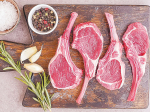
But while the situation in China is of concern, Karapeeva says there are some positives to note – in particular the increase in sheep meat sales to the USA. This market has traditionally been a manufacturing beef market with lamb somewhat on the outer with American consumers.
“But this year the USA has been increasingly taking quite bit of high quality chilled lamb,” she adds. “That is probably because consumers there are reconnecting with lamb and are starting to appreciate the quality aspects – as well as the environmental credentials that sit behind NZ lamb products.”
Karapeeva says Americans are seeing lamb as a healthier alternative to beef and other proteins. She cites this as a really good example of market diversification playing its part and helping meat companies place product in different markets depending on the need and what else is going on.
Inflation Factor
Meanwhile, Karapeeva warns that worldwide inflation will likely have an impact on NZ meat exports as people tighten their belts.
“This may see fewer people going to restaurants, which is a discretionary spend, and this will impact on the food service sector where a lot of our high value products are sold,” she told Rural News.
Karapeeva says the meat industry is hoping that the impact of inflation will not be so severe when it comes to food.
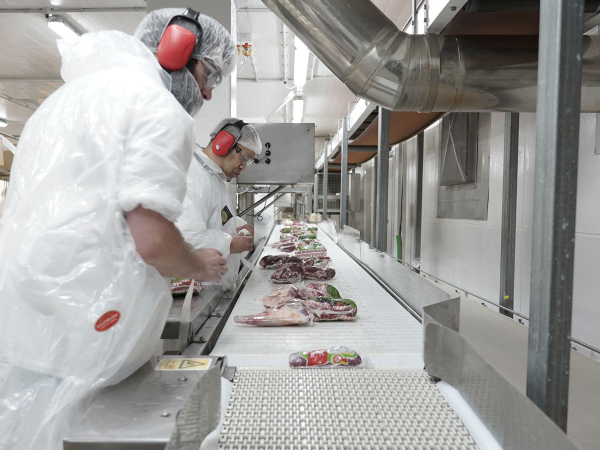
Overall, she believes the meat industry has had a reasonable season despite all the challenges it’s faced – including labour supply, logistics and shipping delays. Karapeeva adds that, contrary to what some predicted, the problems haven’t been that bad.
The other good news is that there is strong global demand for protein and she says NZ has to make the most of that.