True Reflection?
A fair question has been raised about how member-funded organisations should conduct themselves when taking a public position on any given issue.
 increase font size
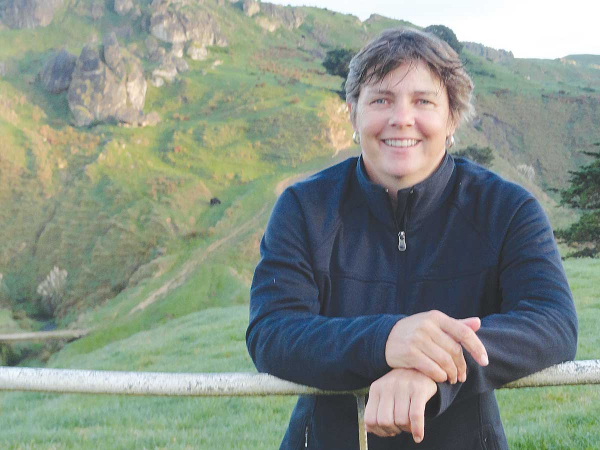 Fiona Gower.
We need to make sure that our rural businesses are well supported, says Fiona Gower, Rural Women NZ national president.
“With the lack of tourists coming through we need to ensure the small businesses can survive because without them we don’t have a community,” she told Rural News last week.
“Once they are gone it is really hard to get them back.
She says digital communication will also play an important part in the coronavirus response.
Rural Women has been looking at the best way to communicate with members about the situation, which includes getting the correct information out such including links to the Ministry of Health.
“There is a lot of hype out there and it’s making sure that everyone gets the correct information.
“Our members and rural communities are pretty resilient and innovative and have plenty of initiative. Because of where we live we can be pretty self-sufficient.
“We can still go to work because we won’t be in the room with 50 other people. We can carry on with the work we are doing which is really important.”
While huge events on the rural calendar such as the Central Districts and National Fieldays have been cancelled, New Zealand will be better off if we can prevent the spread or community introduction of the disease.
“We will have to look at more innovative ways of being a community because it is really important that we are supporting each other.
“We have to look at ways possibly to do that rather than face to face in meeting situations or in social situations.”
Gower says the rural sector has a number of “amazing’ groups and it needs to support their initiatives.
She adds that rural communities also need to ensure that people are safe and not isolated.
“We have to think how farm workers who are living on their own can cope, making sure they are well and all the rural communities are kept safe.
“This is a pretty tough time but the rural communities have been through some tough times.
“This is just another to show how resilient we can be, how innovative we can be and how we can actually make the least worst, or the best, of the situation.”
She says technology will be really important.
“This will be a real issue for families that don’t have decent internet or computers if schools closed. We need to make sure those children are well looked after.”
A fair question has been raised about how member-funded organisations should conduct themselves when taking a public position on any given issue.

OPINION: The previous government spent too much during the Covid-19 pandemic, despite warnings from officials, according to a briefing released by the Treasury.
OPINION: Labour leader Chris 'Chippy' Hipkins is carrying on the world-class gaslighting of the nation that he and his cohorts started after their disastrous Covid response; now trying to undermine the Covid inquiry to protect his own backside.
OPINION: Did former PM Jacinda Ardern get fawning reviews for her book?
Rural Women New Zealand (RWNZ) says it is delighted by the Government’s announcement that it would invest $250,000 in the organisation.



Now in its fourth year, the 2026 Fencing Industry Awards, formed part of the proceedings of the FCANZ Conference, held in Nelson during August.
DairyNZ deputy chair Cameron Henderson has been re-appointed unopposed for another term.
OPINION: The stats speak for themselves.
Farms across the upper North Island are trialling different pasture mixes as part of a research programme that aims to build greater resilience into farming systems.
Election years are always a concerning time for farmers, according to DairyNZ chair Tracy Brown.
The Ballance Farm Environment Awards are coming to the West Coast of the South Island.