Environment Southland (ES) is reporting continued improvement in winter grazing practices during 2021-22.
The improvement is noted in the recently released 2021-22 Compliance Monitoring Report. The report provides an overview of ES’s compliance, monitoring and enforcement (CME) activities.
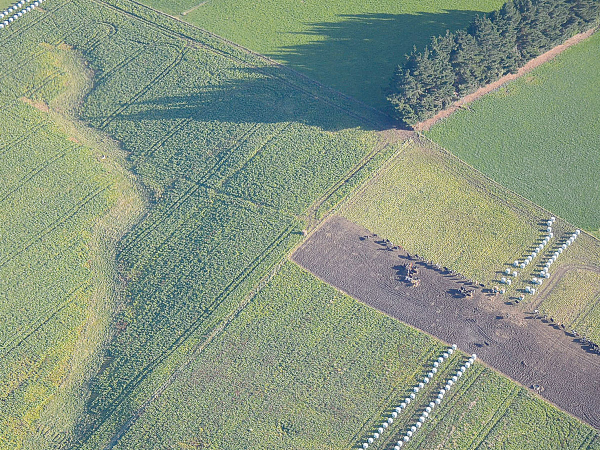
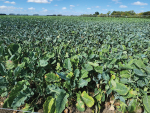
Environment Southland general manager integrated catchment management Paul Hulse says that during the last year, aerial inspections continued to see positive winter grazing work happening on the ground.
“Our focus on this is ongoing, as we work with industry groups and farmers to encourage improved practice and better environmental outcomes,” Hulse says.
He says that while ES is pleased with how things are looking, the council is not becoming complacent, and work has immediately started on planning for the 2023 season.
External influences continue to impact on Environment Southland’s ability to complete the dairy monitoring programme. During the 2021/22 season staff continued to adhere to the standard disinfection protocols to mitigate the risks of spreading the M. bovis bacteria, however, during the past year monitoring was hampered again by Covid-19 restrictions.
Never-the-less, staff still managed to complete 895 on-site and aerial dairy shed effluent discharge consent inspections (960 were completed the previous year). Of these, 701 were fully compliant, 171 were graded low risk or moderate non-compliance, and 23 (2.5%) were graded significant non-compliance.
Hulse says the resource management monitoring and enforcement team had a steady number of incidents reported overall (880), with numbers similar to last year (888).
He says increasing workloads resulting from changing legislation, growing consent numbers, and staffing challenges, have led to the council reassessing how best to manage work.
“We’ve taken the opportunity to review and reprioritise some of our work programmes, meaning the way we monitor now and in the future will better represent the risks the activities pose to the environment.”
“The Council has a relatively small compliance team, and the staff have worked hard and shown commitment in sometimes trying circumstances.”
Regulatory Committee chairman Neville Cook says it is encouraging to see the continued improvement in winter grazing practices.
“A lot of careful planning and hard work has been put in by farmers. There’s also been a coordinated approach to providing support by the council, industry groups and catchment groups. Everyone, has worked together to achieve the improved environmental outcomes we’re seeing.”