Farmers having trouble selling stock because of fears over Mycoplasma bovis are unlikely to see any compensation unless they are directly affected by Ministry for Primary Industries controls.
Federated Farmers North Otago dairy chairman Lyndon Strang claims the region is being treated “like the leper colony of the South Island” over the outbreak.
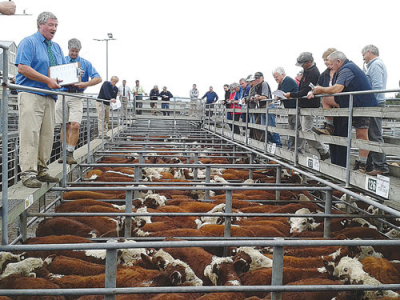
Even beef farmers and others with no trace of the disease are being affected, with reports of stock sale contracts being broken and stock buyers looking outside the region.
Strang said he knows of a local dairy farmer who usually sources 20-30 Jersey mating bulls from a local rearer, but this year has specifically asked his agent to source bulls from outside the area.
“I think there is a real stigma, purely based on our location,” Strang says. “It’s unfair on breeders and other people who have no connection with those affected farms and are running good biosecurity systems.”
Under section 162A of the Biosecurity Act, compensation is limited to losses directly incurred from MPI’s exercising its powers under the act.
MPI said in a statement that it would cover property damaged or destroyed under its orders or when it imposed movement controls preventing a farmer from moving or selling stock.
However, compensation is not available for animals diseased prior to MPI imposing controls on a farm. Also ineligible are losses arising from any voluntary action not “a result of the exercise of MPI’s powers”.
“The ministry recognises there could be farmers or others who will not be eligible for compensation due to their losses resulting from the disease itself rather than powers exercised by MPI.
“A key reason for MPI’s emphasis on identifying farms with Mycoplasma bovis and trying to eliminate it is to minimise losses to all farmers and supporting business who could be affected.”
One local stock agent, who asked not to be named, said buyers getting cold feet over North Otago stock is “not really happening too much” but he agreed it is a concern for some.
John Cheesman, director of Whitestone Livestock, Oamaru, said everyone in the district is trying to get through the incident with as little affect as possible.
“Everyone’s holding their breath, really. When we talk to the North Island about lines of bulls and bits and pieces, most people ask ‘Well, how far away from the infected area are you?’ I think if you sent some next door-neighbour bulls to some of those dairies up there they might take a dim view of it.”
Cheesman confirmed that the movement ban had caused cancellation of a contract for supply of animals from an infected farm. The contract, worth $45,000 to $50,000, was for 100kg calves for forward sale in November to a fattening farm in North Otago.
“We will find other 100kg cattle to replace them at some stage but there might be a bit of cost involved.”