Fonterra FY26 Results: $9.69 Milk Price, $3.4bn Profit
Fonterra has unveiled its annual results for the 2026 financial year, posting $27 billion in revenue and close to $20 billion returned to New Zealand farmer owners and unit holders.
 increase font size
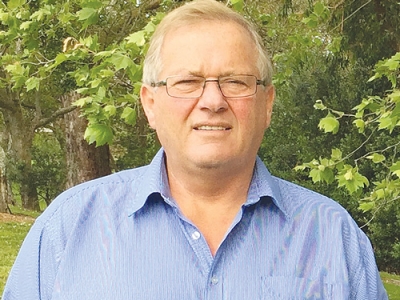 Former Fonterra director and proponent for board change Colin Armer.
Fonterra chairman John Wilson is optimistic shareholders will accept the small cut proposed to the co-op's board.
Wilson says he has mind that a shareholder vote last November supported a proposal to reduce the board to nine.
Fonterra last week released its governance and representation draft proposal to shareholders; the most striking change would see a cut to 11 directors. Farmer directors would maintain control with a majority of six but with provision for an extra two farmer-elected directors and a minimum of three appointed directors
Fonterra now has 13 directors — nine elected by its farmers and four appointed.
Wilson and directors will hold shed meetings this week with shareholders to discuss the proposal.
At its annual meeting last year, 54% of Fonterra shareholders supported a proposal by former directors Greg Gent and Colin Armer for a nine-member board. The majority support came despite Fonterra's board and Shareholders Council opposing the Gent/Armer proposal.
Wilson says the Fonterra board has never found the 13-member too large.
"An 11-member board is a bit better; at the end of the day we have landed at what is right for the co-op and its farmers," he told Rural News.
But Armer says he would still prefer a smaller board. "We are very pleased that a proposal is out for discussion."
Armer says apart from the small cut in board numbers, Fonterra farmers will have to consider other important proposals for change. "This will include giving up their individual vote."
The review also proposes a new appointment process for all directors that moves away from the single transferable vote (STV) election system for farmer directors.
Under STV a candidate could be elected by getting 25% plus one of the votes cast; it is proposed that to get elected a candidate must get 50% of the farmer vote.
Other changes include allowing corporate farmers to be eligible for the board as farmer shareholders, forcing the board to consult the Shareholders' Council on appointments and giving farmers more information about potential directors ahead of annual meetings.
Fonterra has appointed an independant panel to advise on the move – including former NZ Rugby Union officials Chris Moller and Dame Therese Walsh, Adrie Zwanenberg of the Netherlands and Michael Cook of the US.
According to the proposal sent out to farmers, they want better access to information on the skills needed for the board, detailed information on candidates and more information on the performance of sittng directors.
A final proposal will be presented to shareholders next month; a special meeting will then be held to approve constitutional changes required to implement the changes.
Proposed changes
11 directors including at least six farmer directors
Change eligibility rules to allow for modern farm ownership structures
Use of matrix to assess board candidates
Move away from single transferrable vote
100% independent assessment of candidates
Better information for farmers during the election of directors.
Fonterra has unveiled its annual results for the 2026 financial year, posting $27 billion in revenue and close to $20 billion returned to New Zealand farmer owners and unit holders.
Fonterra Co-operative Group has confirmed the independently assessed candidates standing for election to its board in 2026.
Fonterra has revised its Farmgate Milk Price forecast for the 2026/27 season, lifting the midpoint and narrowing the range on the back of improving global dairy commodity prices.
Outgoing Fonterra Co-operative Council chair John Stevenson says that it has been a privilege to represent the co-op's farmer shareholders.
OPINION: It seems Canterbury processor Synlait is still in the doldrums.


Federated Farmers says it welcomes Labour's commitment to reviewing the Sharemilking Agreements Act, calling on other major parties to do the same.
For Canterbury dairy farmers Sian Meijer and Rick Wobben, wearable technology has become one of their most valuable on-farm tools - helping manage 1850 cows across an expansive, high-performing dairy operation while improving efficiency, mating outcomes and day-to-day decision making.
Fonterra has unveiled its annual results for the 2026 financial year, posting $27 billion in revenue and close to $20 billion returned to New Zealand farmer owners and unit holders.
The first major update to the Dairy Cattle Code of Welfare in more than a decade has been released, marking what DairyNZ describes as an important step in ensuring animal welfare standards continue to evolve alongside scientific evidence and on-farm realities.
Ravensdown shareholders have elected Jane Montgomery and Kate Acland to the Ravensdown Board for three-year terms, following a closely contested director election.
Federated Farmers says new legislation replacing the Resource Management Act will cut red tape, unlock investment and help grow New Zealand's export-led economy, after the Planning Bill and Natural Environment Bill passed their third reading in Parliament yesterday.