
NZ Food Safety Boss on Balancing Speed and Risk in Approvals
Striking a balance between meeting the needs of industry to speed up approval time for products but on the other hand ensuring that risks are properly assessed.
 increase font size
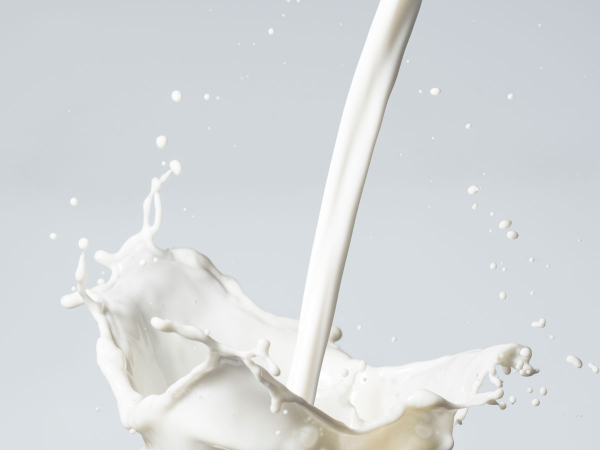 Another food safety event to highlight from 2023 was the possible presence of Listeria and Campylobacter in raw milk.
The New Zealand Food Safety (NZFS) has started issuing annual reports, a new initiative to share information on consumer-level recalls with the public.
NZFS deputy director-general Vincent Arbuckle says their priority is to protect consumers, and these reports help identify trends and find ways to prevent food safety incidents.
“New Zealand’s food safety system has a strong track record of keeping people safe and – given the volumes of food being produced, manufactured and imported – incidences of related illness remain rare.
“However, there are occasions when food safety issues occur, and that’s when we work quickly with food businesses to recall the affected product, removing it from the food supply chain and promoting public awareness.”
The 2023 report shows NZFS supported food businesses to conduct 70 consumer-level food recalls.
“It’s important to note that the number of recalls is not an accurate indicator of the level of risk to consumers. Numbers are dependent on many factors, including regulatory changes, business and public awareness of food-related problems, and reporting of those problems,” says Arbuckle.
Of the 70 recalls, 48 were initiated for domestically produced foods and 22 were for imported foods.
The report identifies Salmonella in imported sesame seed-based products as the most significant food safety event of 2023, resulting in 14 recalls affecting 65 food products.
Another food safety event to highlight from 2023 was the possible presence of Listeria and Campylobacter in raw milk, which led to three recalls.
“Drinking raw milk carries inherent risks as it may contain harmful bacteria that would normally be killed through the pasteurisation process,” notes Arbuckle.
“In this case, there were fortunately no associated reports of Listeriosis, which can be very serious for vulnerable people like the very young, pregnant, older and those with low immunity. But we were notified of three related cases of Campylobacter, which causes vomiting, diarrhoea, abdominal pain, fever, headache, and body aches.”
Allergens in food were the leading cause for recalls in 2023, with milk being the allergen that triggered the most recalls.
“Food recalls are a sign that our food safety system is working to protect consumers,” says Arbuckle.
By the numbers:
Striking a balance between meeting the needs of industry to speed up approval time for products but on the other hand ensuring that risks are properly assessed.

New Zealand Food Safety (NZFS) is reminding New Zealanders to keep food safety top of mind as they head into the festive season.
New Zealand Food Safety (NZFS) says it is supporting importer Goodfood Group in its decision to recall Food Snob and Mon Ami brand French Brie and Camembert cheeses.
An Auckland man who illegally killed and sold pigs and a chicken has been fined $8,000.
An Auckland woman has been fined $25,245 and an Auckland man has been ordered to do 300 hours of community service for the illegal slaughter and sales of pigs.



LIC shareholders have elected a new North Island representative to the co-operative's Board, along with five representatives to its Shareholder Reference Group (SRG), following the company's Annual Meeting held in Invercargill.
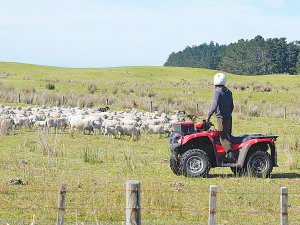
Farmers across parts of Southland and South Otago are continuing to deal with difficult conditions after a prolonged run of wet weather, with pressure building around feed supply, stock management, pasture damage, farm infrastructure and everyday workloads.
Federated Farmers says it welcomes Labour's commitment to reviewing the Sharemilking Agreements Act, calling on other major parties to do the same.
For Canterbury dairy farmers Sian Meijer and Rick Wobben, wearable technology has become one of their most valuable on-farm tools - helping manage 1850 cows across an expansive, high-performing dairy operation while improving efficiency, mating outcomes and day-to-day decision making.
Fonterra has unveiled its annual results for the 2026 financial year, posting $27 billion in revenue and close to $20 billion returned to New Zealand farmer owners and unit holders.
The first major update to the Dairy Cattle Code of Welfare in more than a decade has been released, marking what DairyNZ describes as an important step in ensuring animal welfare standards continue to evolve alongside scientific evidence and on-farm realities.