Ravensdown Elects Montgomery, Acland to Board
Ravensdown shareholders have elected Jane Montgomery and Kate Acland to the Ravensdown Board for three-year terms, following a closely contested director election.
 increase font size
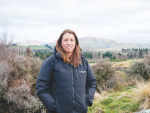
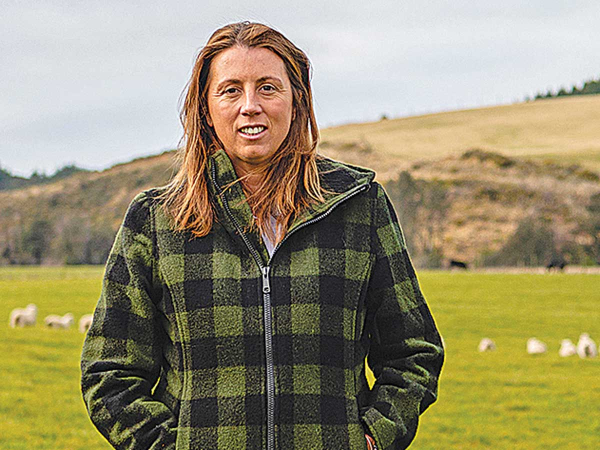 Beef + Lamb NZ chair Kate Acland.
There is an urgent need for the Government to put a limit on the sale of farms for forestry - particularly for carbon farming.
That's the plea from the Beef + Lamb NZ chair Kate Acland who says the latest statistics show that since the end of 2022 more than 51,000ha of farmland has been sold to forestry interests. She says this far exceeds the 25,500ha the Climate Change Commission has recommended should be sold in any given year.
Acland adds that between 2017 and the end of June this year, a total of 261,733ha have been sold and believes this figure will turn out to be higher given the lag time in producing the statistics. She says there's already been a significant decline in stock numbers because of afforestation over the past few years.
"We estimate for every 100,000 hectares planted close to one million stock units are lost. While on one hand the decline in stock numbers means our sector has already dramatically reduced its overall greenhouse gas emissions and warming impact, the way it's happening is simply not sustainable," she says.
Acland says B+LNZ is not anti-forestry and says they support the integration of trees on farms. But say they just want some limits aroud the conversion of whole farms into forestry for carbon credits.
"We welcome the Government's intention to announce measures before Christmas and note that the National Party's pre-election manifesto sets out a sensible platform to work from," she says.
Ravensdown shareholders have elected Jane Montgomery and Kate Acland to the Ravensdown Board for three-year terms, following a closely contested director election.
Beef + Lamb New Zealand (B+LNZ) says it welcomes the passage of the Natural Environment Bill and Planning Bill, calling the bills a positive step for sheep and beef farmers.
Farmgate lamb prices are down by 8%, beef cattle by 4.5% and farm expenditure up by 4.2%.
Red meat farmers are welcoming Labour’s plan to review the Emissions Trading Scheme and not to campaign on pricing agricultural emissions.
The New Zealand Institute of Forestry (NZIF) says unnecessary changes to New Zealand’s Emissions Trading Scheme (NZ ETS) will seriously erode investor confidence and result in significant reductions in forest planting rates.

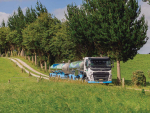

Farmer-owned fertiliser company, Ballance Agri Nutrients is welcoming National’s plan to negotiate security agreements with key supplier countries to protect New Zealand-bound products from export restrictions and greater supply chain certainty.
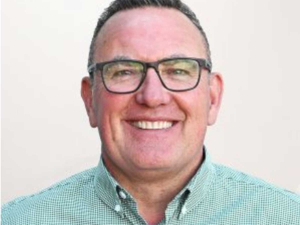
Carrfields has announced the appointment of Stu Hall to the newly created role of chief operating officer, Carrfields Ltd, reflecting the continued growth of their agribusinesses and the need to ensure the company has the leadership capacity and support in place as it pursues the emerging opportunities ahead.
New Zealand's role is not to compete with Indian growers, according to NZ Apples and Pears.
The potato industry is celebrating the success of two rising stars - James Blair, the 2026 Young Grower of the Year and runner-up and innovation award winner, Amber Davy.
Twenty-eight emerging leaders from across the horticulture sector spent two days last month learning valuable skills and connecting with industry experts.
There are five entrants in this year’s Young Horticulturist of the Year, competing in a series of technical, practical, business and leadership challenges.