Fonterra's New Roadmap Targets Climate, Nature, Animals
Climate, nature and animal wellbeing make up Fonterra's refreshed sustainability roadmap released last week.
 increase font size
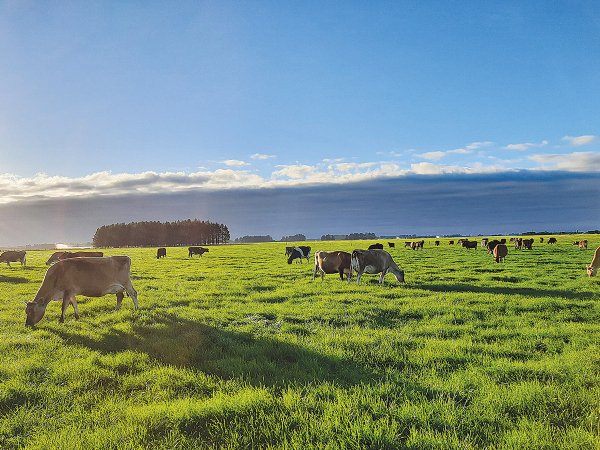 The annual funding round for the Greenhouse Gas Inventory Research (GHGIR) fund is now open.
The Ministry for Primary Industries (MPI) says it is seeking research proposals to help improve New Zealand’s reporting of greenhouse gas emissions from agriculture, forestry, and other land uses.
The annual funding round for the Greenhouse Gas Inventory Research (GHGIR) fund is now open, with $2.9 million of funding available for new GHGIR projects in the 2024/25 financial year.
MPI director of programmes and planning, policy and trade, Stephanie Preston says the fund focuses on improving knowledge of New Zealand’s greenhouse gas emissions, to ensure the best possible data is available to help manage New Zealand’s emissions and inform policy decisions.
“This year we’re looking for very specific proposals in 10 priority areas, ranging from improving liveweight estimation of sheep and beef to exploring remote sensing methods of collecting data, such as using satellite data to measure feed type and quality,” Preston says.
The priorities for this year’s funding round include non-forest land-use emissions model; a review and improvements to energy equations and intake; new afforestation and deforestation intentions survey; seasonal dairy supplementary feed data intake; and improved activity data and parameters for deer.
Preston says the outcomes will inform MPI’s reporting to the New Zealand Greenhouse Gas Inventory and the United Nations under the Paris Climate Agreement.
The annual Greenhouse Gas Inventory reports on human-induced emissions and removals of greenhouse gases for energy, industrial processes, agriculture, land use, land use change and forestry, and waste.
The inventory is produced by government agencies, with MPI responsible for producing the chapter on agricultural emissions. The report is submitted to the United Nations Framework Convention on Climate Change secretariat each year.
Climate, nature and animal wellbeing make up Fonterra's refreshed sustainability roadmap released last week.
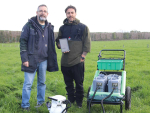
Researchers at Massey University are using a special piece of scientific equipment to improve the measurement of greenhouse gas emissions from pasture soils.
Testing confirms H5 bird flu in a single northern giant petrel, found dead on a remote Cape Palliser beach in the Wairarapa, says Dr Mary van Andel, the Ministry for Primary Industries' (MPI) Chief Veterinary Officer.
The apple sector is working with the Government to unlock access to two key markets that could bring millions in revenue for apple growers.
A Palmerston North shearer has been sentenced to six months' community detention and 12 months' supervision after being found to have physically abused three lambs while shearing them.



Farmer-owned fertiliser company, Ballance Agri Nutrients is welcoming National’s plan to negotiate security agreements with key supplier countries to protect New Zealand-bound products from export restrictions and greater supply chain certainty.

Carrfields has announced the appointment of Stu Hall to the newly created role of chief operating officer, Carrfields Ltd, reflecting the continued growth of their agribusinesses and the need to ensure the company has the leadership capacity and support in place as it pursues the emerging opportunities ahead.
New Zealand's role is not to compete with Indian growers, according to NZ Apples and Pears.
The potato industry is celebrating the success of two rising stars - James Blair, the 2026 Young Grower of the Year and runner-up and innovation award winner, Amber Davy.
Twenty-eight emerging leaders from across the horticulture sector spent two days last month learning valuable skills and connecting with industry experts.
There are five entrants in this year’s Young Horticulturist of the Year, competing in a series of technical, practical, business and leadership challenges.