Farmers are welcoming the Government’s decision to delay intensive winter grazing (IWG) rules until May next year.
However, environment and animal welfare lobbyists are crying foul.
DairyNZ chairman Jim van der Poel says farmers can now prepare for winter.
“It’s been highly collaborative and we will continue working together to deliver good practice winter grazing,” he says.
Environment Minister David Parker says the Government will work with industry stakeholders in Southland and Otago over the next 12 months to develop a farm plan ‘module’ ready for formal incorporation into wider certified freshwater farm plans in 2022.
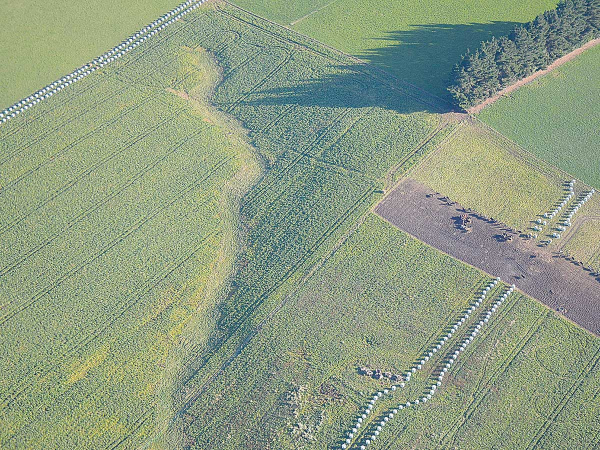
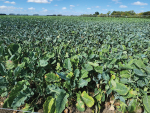
IWG is a farming practice where stock are confined to outdoor feeding areas planted with fodder crops. If done poorly, it can have serious negative effects on animal welfare and the environment, particularly freshwater health and estuaries.
Farming leaders accept that these practices need to improve and they want to be part of the solution, says Parker.
In return for the farming sector’s commitment, the Government has deferred the introduction of IWG practice regulations for a year until May 2022, while these improvements are made. However, rules preventing the expansion of IWG will still apply.
The Government will work with the farming sector to improve on-the-ground IWG practices for the benefit of freshwater quality and animal welfare.
Van der Poel says collaborative action and the farming sector’s input has delivered practical winter grazing decisions, which sees farmers able to continue delivering on good practice changes.
“The Government’s decision to deliver change via an intensive winter grazing module as part of certified farm plans, rather than rules, is good news for farmers,” he says.
“Farmers now have time to continue implementing good management practices that will drive positive progress. These will be supported by the winter grazing module and monitoring.”
In December, the Southland Advisory Group recommended the Government make several changes to rules under the National Environmental Standard for Freshwater. These included proposed amendments to pugging and resowing dates.
The group is made up of two farmer representatives and DairyNZ, Beef + Lamb New Zealand, Environment Southland, Federated Farmers and Fish and Game representatives. It was formed after farmers expressed their concerns about their ability to implement the regulations, wanting fair and pragmatic solutions.
Beef + Lamb has also welcomed the news, with chief executive Sam McIvor saying it’s encouraging the Government has accepted some of the Southland winter grazing advisory group’s proposals.
“However, we will continue to advocate for changes to the rules the Government is intending to apply from May 2022, including deletion of the pugging standards, the resowing dates, and to the slope trigger, as recommended by the Southland report.”
No Choice
Environment Minister David Parker had no choice but to defer the implementation of the intensive winter grazing in Southland for one year.
National's agriculture spokesman David Bennett claims.
Bennett says the Government has no choice but to defer implementation of intensive winter grazing rules.
"This is the third time there's been changes to this set of regulations," he says.
Bennett claims Parker rushed the process and failed to consult properly with the sector.
"While farmers will welcome the delay, there is still a lot of work to be done to make sure any new regulations can actually be achieved," he says.
"The Minister has developed a policy based on ideological notions and farmers showed up in their hundreds to tell Minister Parker his regulations were rushed and unachievable."