Election Year Curse?
OPINION: The coalition Government seems to have chickened out when it comes to live animal exports by sea.
 increase font size
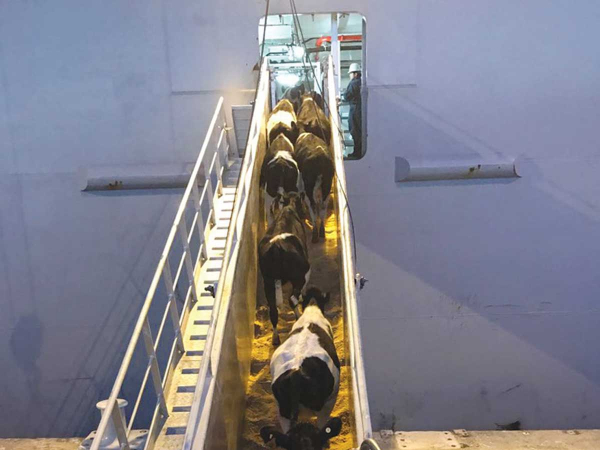 The Government's live export ban could have very real effects for farmers, say live export businesses.
Government moves to end New Zealand's live export trade will shut down a $500 million-a-year business - as well as diminish farmers' selling options and profitability.
That's the belief of people involved in the country's lucrative livestock live export trade. They also warn of a potential backlash from NZ's most important trading partner, China - where the bulk of our live export trade goes to.
David Hayman, managing director of Waikato-based live export company Genetic Development NZ, describes the Government's decision as one that is aiming for short-term political kudos.
"It is both morally and practically an unjustified decision," he says.
Hayman dismisses the figures used to depict the industry's annual earnings as out-of-date and off a low base. He says the $54 million used was based on the 2018-19 figures, when the live export sector was at a low.
"Around 110,000 cattle were exported last year and the value of that trade was well in excess of $300 million," he adds. "Orders for this year look like 150,000 head at a value nearing $500 million."
Hayman also warns that the move may also have major consequences for NZ's $10 billion annual trade relationship with China.
"We have had a fair indication that there will be a response from China."
South Island-based livestock broker Peter Walsh told Rural News there was very little that could be done about the move as "the Government makes the rules". Walsh's South Canterbury-based company, Peter Walsh and Associates, is the South Island's largest independent, livestock broking company and has seen huge growth in the live export business in the past few years.
He says that ban will have a big impact on NZ's farmers and the country's livestock sector.
"It will be a tremendous blow to farmers in New Zealand as an alternative option for selling livestock," Walsh adds. "Less selling options ultimately means less profit."
Meanwhile, Hayman concedes the industry has suffered from constant misinformation fed to the public by "alarmists" from groups like SAFE and Greenpeace. "As an industry we need to do better job of explaining the way the trade is done and the high standards we adhere to," he adds.
Hayman says claims made by critics of the trade - that animals suffered and there were high death rates - are not supported by the facts. "WE do a world-class job and deliver 99.9% of the animals in good condition, with a loss rate similar to those on NZ farms."
Walsh agrees and sasy the ships animals travel on from NZ are very professional, well manned with high veterinary support.
OPINION: The coalition Government seems to have chickened out when it comes to live animal exports by sea.
Federated Farmers want to see the return of cattle exports but insists that animal welfare and New Zealand’s international reputation must be protected first.
Animal rights organization, SAFE says the government needs to maintain the ban on live exports.
One of the country's former experts in animal welfare is taking the new Government to task over its plans to allow the export of live cattle.
A New Zealand animal welfare expert has described live export animals as "a disgraceful trade".


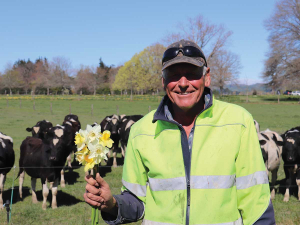
South of the central Hawke’s Bay town of Waipukurau is Taniwha Station – a highly successful 550ha bull beef farming operation.
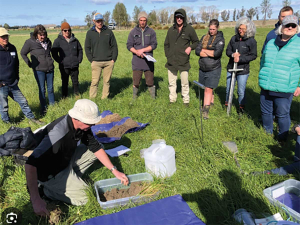
Beef + Lamb NZ funded research has shown that some simple changes to pasture management could help farmers make better use of rainfall and build resilience before dry conditions hit.
OPINION: There could hardly be a more appropriate theme for a conference than the one chosen by the red meat sector - Navigating Volatility.
When Northland leather worker Vernon Suckling started making horse saddles 50 years ago, quad bikes and side-by-side vehicles were unheard of.
Alliance Group has confirmed that eligible farmer-shareholders who supply and continue to back the business will receive up to $20 million later this year, following the strategic investment partnership with Dawn Meats.
With a general election under five weeks away, Rural News is asking major political parties about their policies and positions on key issues facing the primary sector. We will run their responses to each question over the next four weeks. The ACT Party and the Greens didn't respond in time.