Why Glyphosate Resistance Is a Growing Vineyard Risk
Glyphosate resistance threatens to significantly increase operational costs and reduce profitability in New Zealand vineyards, according to a new report.
 increase font size
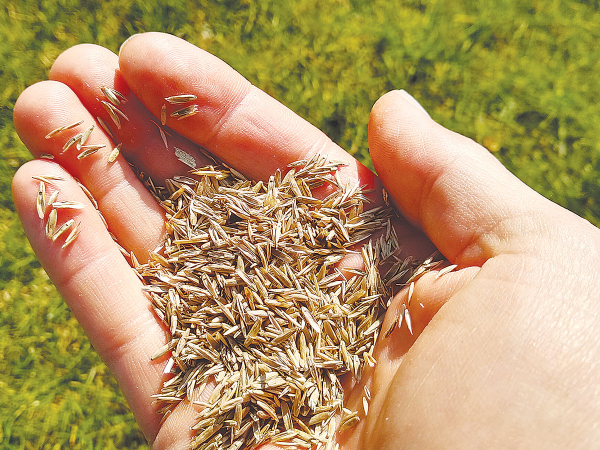 The endophyte is only found in the plant tissue and plant seeds.
An historic application has been made by AgResearch to conduct trials that could lead to a ryegrass species that offers better protection from pests.
It could also see a potential reduction in the incidence of animal health problems such as ryegrass staggers.
Scientists at AgResearch want to run outdoor field trials on gene edited endophytes in ryegrass to see if the results of laboratory tests are valid in an outdoor environment. To do this they need approval from the Environmental Protection Agency (EPA).
The trials to date have been conducted at AgResearch's Grasslands facility at Palmerston North. But this new proposal is taking this a step further to see if the endophytes perform as well in the outdoor environment as they do in the glasshouses where the present trials are being conducted. It should be noted that outdoor trials of a similar nature on gene edited endophytes in ryegrass are already being conducted in Australia.
AgResearch science team leader Dr Richard Scott says the endophytes are symbiotic fungi that live within the ryegrass plant and some of the products they produce provide protection against pests. He says the endophyte is only found in the plant tissue and plant seeds and can't be transferred by an insect or pollen - only by seed.
Scott says if the trial is approved, the plants will not be allowed to seed so that no material can be spread by the wind or birds beyond the designated containment area.
"Let's be clear, we are only modifying the endophytes - not the ryegrass plant as a whole," he told Rural News.
The application to the EPA which has the power to approve or reject the AgResearch proposal is very significant historically. The last application of this nature to be approved was back in 2010 when Scion, also known as the Forest Research Institute, was granted approval for an outdoor trial to grow genetically modified radiata pine trees.
Scott says AgResearch has lodged a draft application with the EPA to set the process in motion.
"They will look at our draft and likely ask for clarification or more information until they are satisfied that they have enough data to make a decision. Initially this is an iterative process," he says.
Once the EPA has gone through the draft, then he says a formal proposal will be lodged which will be put out for public consultation before a final decision is made.
Scott says, from their lab work, they are confident that they know how the endophytes are behaving in the plants. But he says only when field trials are done and the laboratory gene edited endophytes are tested in the 'normal outdoor' environment will there be conclusive proof. He says initially the trials will take place in one location, but over time others could also be used.
Glyphosate resistance threatens to significantly increase operational costs and reduce profitability in New Zealand vineyards, according to a new report.

Last night saw the winners of the 2026 Beef + Lamb New Zealand (B+LNZ) Awards named at a gala dinner at Te Pae Christchurch Convention Centre.
A unique discovery by a Palmerston North science company, Biolumic, looks set to revolutionise the value and potential of ryegrass and the secret is the application of ultraviolet (UV) light.
It takes a team approach to produce a new cultivar of ryegrass, match-fit to meet the future challenges of pastoral farming.
A significant breakthrough in understanding facial eczema (FE) in livestock brings New Zealand closer to reducing the disease’s devastating impact on farmers, animals, and rural communities.

In farming there are external factors that can influence behaviour of a whole herd, such as a bad weather event, triggering false positive heat detections or health attentions.
For Canterbury dairy farmer Cameron Henderson, supporting Meet the Need comes down to a simple question: how can the success of New Zealand farming benefit more than just those within the industry?
Fonterra board members are in line for a pay rise of around 3%.
Dairy processors are ready to further boost New Zealand’s export earnings but want the incoming government to match their ambition with good policy.
Massey University is best placed to solve the “problems” facing the dairy industry, says vice chancellor, Pierre Venter.
Synlait's longest serving employee – a man who joined the Canterbury-based milk processor even before it began processing milk – is now its newest executive.