LeaderBrand Leads with AI Innovation
Major New Zealand fresh produce grower is tapping AI to manage weeds on one of its farms.
 increase font size
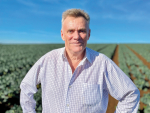
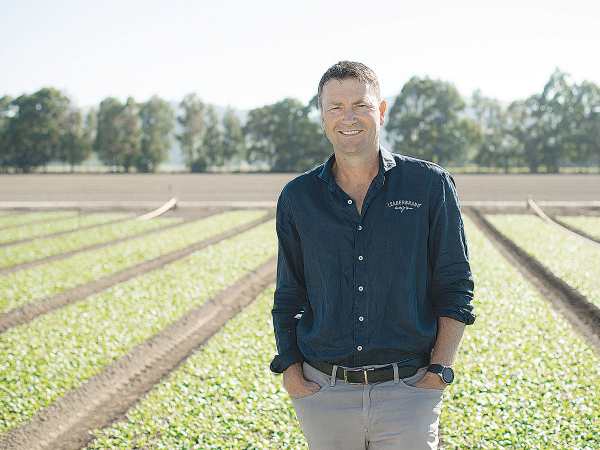 Leaderbrand chief executive Richard Burke.
A leading horticulturist is questioning whether enough is being done to infrastructure in NZ to keep pace with the expansion of agriculture in all its forms.
Richard Burke, chief executive of Leaderbrand - a large horticultural operation based in Gisborne and other parts of NZ, says there's no question that in the past 12 months, on the East Coast and at another of their major growing areas at Pukekohe, weather conditions have been extreme. He says this has had an impact on getting plants to grow. Burke adds that the weather has also impacted on roads and other infrastructure.
"My question is whether the present infrastructure is up to scratch to meet our needs," he told Rural News.
"When we built road roads, we built them for 30 tonne trucks - now we are now putting 50 to 60 tonne trucks down them. I know technology has come a long way but have we really adjusted our roads to deal with what we are trying to achieve with them? We see it on country roads around Gisborne that were built for one or two stock trucks a month and are now having to handle forestry harvesting at 30 trucks a day."
Burke says another thing that concerns him is the impact of driving up production. He says there are farming and horticultural operations based on land that was previously seen as marginal. He points out that if one doesn't get caught out by weather initially, the chances are that it may be assumed that such operations are reliable in the future.
"Then we forget quite quickly when things go wrong, but nature is nature."
Burke says in his experience, there have always been major weather events, but the impacts of these now are being highlighted by growing systems and less appropriate infrastructure. What he is seeing is that the risk of growing a crop now is much higher than it was, especially with the increased cost of fertiliser and fuel and lack of people to harvest it.
"All these factors are in the back of your mind when you are running your planting plans. I would suggest that a lot more people have become a bit more risk adverse because you can't afford to leave crops behind now," he explains.
"You can't afford to bypass a crop, so when you are little bit risk adverse you don't have so much supply around you and when an event does occur the loss can be greater."
Major New Zealand fresh produce grower is tapping AI to manage weeds on one of its farms.
A pillar of New Zealand's horticultural industry, Dr Stuart Davis, was farewelled at a well-attended funeral service in Tuakau, South Auckland, on December 18.
Spinach is NZ's favourite leafy green, according to the Department of Statistics.
Gisborne's record hot dry summer weather has produced rewards for one of the country's largest commercial growers based in the region - Leaderbrand.
Regenerative farming trials in Gisborne, in partnership with Woolworths, LeaderBrand, and Plant & Food Research, are uncovering promising opportunities for sustainable vegetable farming in New Zealand.

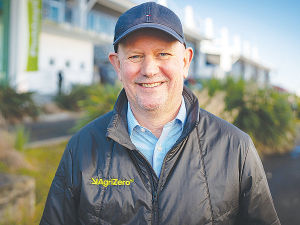
A move to boost farmer uptake of low methane emitting sheep is underway.
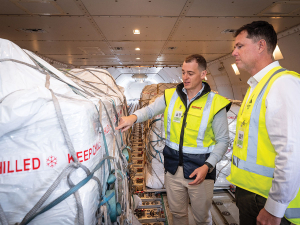
Silver Fern Farms has tackled the ongoing war-induced shipping challenges to mideast markets by airlifting 90 tonnes of chilled New Zealand lamb and beef to the United Arab Emirates.
The primary sector is leading New Zealand's economic recovery, according to economist and researcher Cameron Bagrie.
Dairy industry leader Jim van der Poel didn't make much of the invitation he received to the recent New Zealand Dairy Industry Awards in Rotorua.
Farmers around the country are going public big time, demanding their local district, city and regional councils come up with amalgamation plans that meet the needs of rural communities and don't allow urban councils to dominate.
The battle for the rural vote is on and parties are securing high profile names to try and bolster their chances at the general election.