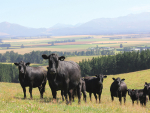
BVD Control Begins Long Before You See A Problem
Bovine Viral Diarrhoea (BVD) is sometimes viewed as a dairy industry issue, but the reality is that the disease can have serious consequences for beef breeding herds as well.
 increase font size

A survey shows the MPI is stopping international air passengers bringing in goods with a high chance of damaging New Zealand's biosecurity, but suggests the ministry could do more to stop lower risk items.
The survey conducted in Auckland, Wellington and Christchurch involved checking more than 8000 passengers to see if they were carrying goods that pose a biosecurity risk after passing through airport checks.
The survey showed 98.94% of passengers who had been through checks were not carrying medium or high-risk goods, including materials that may host fruit fly.
For passengers passing through Direct Exit lanes, the compliance rate for medium to high-risk goods was even higher – 99.54%.
Direct Exit allows New Zealand and Australian passport holders who are assessed as low risk to bypass luggage x-ray screening.
The overall compliance rate for all risk goods was 95.33% – 3.17% short of MPI's target of 98.5%.
The shortfall was mostly due to low-risk items like airline food packets and dirty shoes getting past biosecurity checks, says Roger Smith, deputy director general, verification and systems.
"In a number of cases, these items were only slightly contaminated, or were unlikely to have been exposed to biosecurity risk – such as toiletries containing honey", says Smith.
"There are clearly some areas we can improve on, but it is pleasing to see we are keeping out the goods that are most likely to cause harm to New Zealand."
"This result also supports the Direct Exit concept. It shows we are making the right decisions about who we clear to leave airports without x-ray screening."
He says MPI has started implementing recommendations from the survey to improve compliance, including looking at additional staff training where needed.
The survey was conducted at Auckland, Christchurch and Wellington airports between 14 May and 6 June. Together these airports account for 97% of air passenger arrivals.
Bovine Viral Diarrhoea (BVD) is sometimes viewed as a dairy industry issue, but the reality is that the disease can have serious consequences for beef breeding herds as well.

Election years are always a concerning time for farmers, according to DairyNZ chair Tracy Brown.
Testing confirms H5 bird flu in a single northern giant petrel, found dead on a remote Cape Palliser beach in the Wairarapa, says Dr Mary van Andel, the Ministry for Primary Industries' (MPI) Chief Veterinary Officer.
Bovine Viral Diarrhoea (BVD) is sometimes viewed as a dairy industry issue, but the reality is that the disease can have serious consequences for beef breeding herds as well.
Four years since it was first detected in New Zealand, researchers and growers now know much more about management of maize pest fall armyworm (FAW).


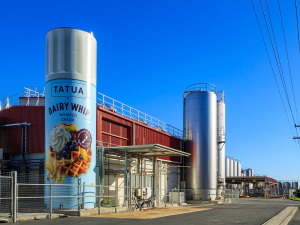
Waikato milk processor Tatua has again declared a record milk payout to farmer shareholders, leaving other processors in the dust.

A Labour-led Government won’t be bringing back the controversial freshwater rules of 2020.
National’s much-touted free trade deal with India featured in the Rural Issues Debate at Mystery Creek, Hamilton on Wednesday night.
New Zealand's 2026-27 freshwater fishing season has opened, with anglers encouraged to head to rivers and lakes over the coming days as conditions look favourable across much of the country.
Central Otago District Council (CODC) has voted against a plan to spread treated sewage sludge from Cromwell and Alexandra on farmland near Lauder, a decision Federated Farmers says reflects strong opposition from rural residents.
Pāmu has released its FY26 Integrated Annual Report, reporting a Net Operating Profit of $113 million, more than double the $49 million recorded in FY25.