US Launches Lamb Safeguard Probe, NZ Exports at Risk
As expected, the US has launched a safeguard investigation into lamb imports, a move that could impact New Zealand sheepmeat returns.
 increase font size
 B+LNZ chairman Andrew Morrison says the manifesto should be compulsory early reading for new PM Chris Hipkins.
Within hours of Chris Hipkins being sworn in as the new Prime Minister, the red meat sector issued a series of demands it wants the country's politicians to address in forthcoming election campaign.
A copy of the sector's election manifesto has been sent to every politician and relevant officials. It is produced jointly by Beef+Lamb NZ and Meat Industry Association (MIA) and sets out a comprehensive package of proposed policy changes, aimed at growing export revenues and increasing jobs. It spans five key areas - climate and environment policy, workforce and industrial relations, trade, biosecurity, and innovation, research and development.
In terms of climate change, the sector's demands include backing the He Waka Eke Noa emissions pricing policy, rewarding farmers for their on-farm sequestration and continuing to support the industry through investment in climate change mitigation. The manifesto also calls for policy changes to curb the sale of sheep and beef farms into forestry to offset carbon emissions and wants the introduction of the Biodiversity National Policy Statement delayed until the policy settings are right.
Other key points include deferring the introduction of the winter grazing rules until the Government has operationalised freshwater farm plans and amending the slope rule for winter grazing from 10 degrees to 15 degrees.
The industry wants immigration settings to help address genuine industry labour shortages where they can't be filled domestically. It also calls for efficient processing of work visas without undue delay to ensure workers can be in NZ at the right time in the season.
On trade, the red meat sector wants government to focus on resolving non-tariff barriers and revisiting NZ trade policy strategy ensuring it remains fit for purpose and considers creative pathways for deeper trade relationships.
B+LNZ chairman Andrew Morrison says the summary manifesto should be compulsory early reading for Hipkins to inform what policies should be shelved or changed. He says farmers are absolutely willing to play their part in improving the environment, but the Government has tried to do too much too quickly.
"Because of the scale and pace of change, we've ended up with a lot of poorly crafted and conflicting rules," he says. "These have significant negative financial implications for sheep and beef farmers, rural communities and the wider economy, when there are better ways of achieving good environmental outcomes."
MIA chair Nathan Guy says workforce and immigration are significant priorities for the red meat sector, with an estimated $600 million of value left on the floor as a result of current labour shortages in the industry.
"Our industry wants to play our part to make NZ a better country for every Kiwi, but there is clearly frustration in the sector about the scale, pace and ad hoc nature of regulatory reform in recent years," he says.
As expected, the US has launched a safeguard investigation into lamb imports, a move that could impact New Zealand sheepmeat returns.

New Zealand's red meat sector says it welcomes the Government's focus on trade ahead of the general election in November.
New Zealand red meat exports are booming but a pending decision in the White House, Washington D.C., could dent sheepmeat earnings.
Prime Minister Christopher Luxon says the red meat sector is doing an excellent job promoting our pasture-fed system around the globe.
The Meat Industry Association (MIA) has appointed Nick Beeby as chief executive.

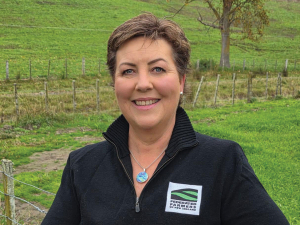
Federated Farmers' new vice president Sandra Faulkner says the issue of adverse events emergency management and infrastructure needs to be taken out of the three-year political cycle.

Building a strong team is one of the biggest drivers of a successful sheep and beef business, but it can also be one of the tougher parts to get right.
Blueberry growers are warning that fresh imports could pose a huge biosecurity risk for NZ’s horticulture sector.
As expected, the US has launched a safeguard investigation into lamb imports, a move that could impact New Zealand sheepmeat returns.
A milk glut around the world shows no sign of easing, putting downward pressure on farmgate milk prices for the next few months.
A pause on Waikato Regional Council's (WRC) plan change that sets new freshwater rules for farming could be announced in the coming weeks.