McRae Wins Southern South Island B+LNZ Director Vote
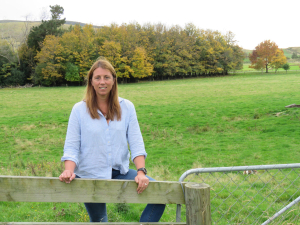
Matt McRae, a farmer from Mokoreta in Southland who runs a sheep, beef and dairy support business alongside a sheep stud, has been elected to the Beef +Lamb NZ Board as a farmer director.
 increase font size
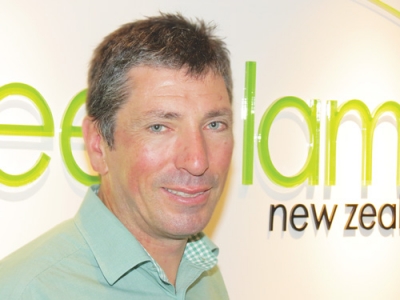 Sam McIvor.
Dealing with environmental issues is a key priority for the new chief executive of Beef + Lamb NZ, Sam McIvor.
McIvor has a strong background in the farming sector and says his first task is to get out and meet farmers and other key stakeholders, to get their views on the organisation and the issues farmers are facing or are likely to face.
He told Rural News he wants to be on the front foot on the environment and that BLNZ will soon have five staff dedicated to this: two staff doing extension work, two policy work and the fifth managing. The aim is to be proactive and get ahead of how issues might play out.
The other big issue for sheep and beef farmers is biosecurity, McIvor says. BLNZ faces the challenge of focusing on what it can influence and what work it should specifically do, and on what work it can best do in collaboration with other industry partners such as the Meat Industry Association and Federated Farmers.
"We have a role in shaping the landscape to a certain extent -- working with farmers to get a play on what can be most effective. We do have an influence on these things and that's why farmers have us doing these jobs."
McIvor says the nature of hill country farming has changed a lot in recent years and some farmers have benefited from these changes. Dairy grazing is one he points to.
"So the resources we have are significant and we have to find a way to make that as efficient as possible for the industry," he told Rural News.
"Production is still important to us and if you look at lamb, as an example, it's important that we have critical mass as an industry. And it is important that we get more and more efficient. So we must understand the resources we have on the hill country and how we can extract more out of it, but at the same time make sure we have a sustainable, efficient resource."
McIvor says understanding the environment BLNZ is working in and how best to help farmers manage that from a production perspective is a key role for the organisation. Also crucial is what additional productivity can be got out of the hill country by clever investment, such as the use of improved genetics.
He believes this all has the potential to make a big improvement to sheep and beef farmers' revenue.
"Our job is to provide [sheep and beef farmers] with the best opportunities, knowledge and information tools for them to do the preferred enterprise on the farm."
Matt McRae, a farmer from Mokoreta in Southland who runs a sheep, beef and dairy support business alongside a sheep stud, has been elected to the Beef +Lamb NZ Board as a farmer director.
Ospri is reducing TB testing frequencies and movement control measures as the disease risk subsidies in parts of the country.
Recent widespread autumn rain will have triggered the germination of subterranean clover seeds, and the resulting seedlings should be allowed to reach the 3–4 trifoliate leaf stage before grazing, says Beef+Lamb NZ.
Southland farmer and director Tony Cleland has been named OSPRI New Zealand’s new chair.
A hub farm in each of Beef + Lamb NZ’s seven regions and more focus groups are being rolled out for the red meat sector this year.


Farmgate lamb prices are down by 8%, beef cattle by 4.5% and farm expenditure up by 4.2%.
Kiwifruit growers are watchful but remain optimistic as concerns around the potential effects of the El Niño weather pattern this season.
Almond hulls sourced from Australian orchards may have the potential to help New Zealand cows reduce emissions, boost milk yield and lower input costs.
Striking a balance between meeting the needs of industry to speed up approval time for products but on the other hand ensuring that risks are properly assessed.
Surprised, humbled and quite thrilled. That’s the reaction of James Allen, one of the founding partners and now chief executive of AgFirst, on being made a life member of the Institute of Rural Professionals.