India FTA Removes 33% Tariff on NZ Sheepmeat
New Zealand’s red meat sector has welcomed the India-New Zealand Free Trade Agreement taking effect, which removes India’s 33% tariff on New Zealand sheepmeat.
 increase font size
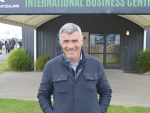
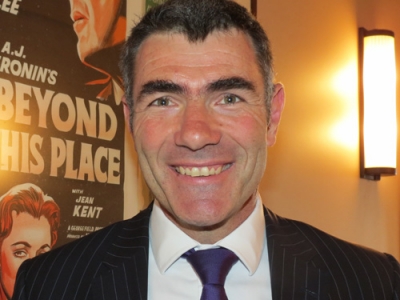 Minister for Primary Industries Nathan Guy (pictured) has welcomed John Parker as the new chair of the Primary Growth Partnership's independent Investment Advisory Panel.
Primary Industries Minister Nathan Guy has welcomed John Parker as the new chair of the Primary Growth Partnership's independent Investment Advisory Panel (IAP).
Parker is a primary industry and governance specialist, and assumes his role as IAP chair from 1 May 2016. He replaces Joanna Perry whose tenure as chair finishes on 30 April after nearly seven years on the IAP, including almost three as its chair.
"IAP members use their expertise and judgement to advise on decisions about the investment of PGP funds, and to help ensure these investments achieve the aims of economic growth and sustainability," says Guy.
"Mr Parker has extensive experience in both governance and in the primary industries and he understands what is required to grow value in the sector.
"Importantly, he has a good understanding of how the PGP can support innovation and the importance of investing in the right programmes."
Parker is currently independent director of Dairy Holdings Ltd, BEL Group Ltd, Genoese Foods, the Primary Industry Training Organisation and is former Chair of Tauranga Port.
"The PGP represents a major commitment by the Ministry for Primary Industries and industry to boost the productivity, profitability and sustainability across the primary sector," says Guy.
"I want to thank Ms Perry for her commitment to and leadership of the IAP. Her contribution has played a significant part in the PGP's success to date."
Parker will join IAP members Sir Maarten Wevers, Melissa Clark-Reynolds, Steve Smith, Harry Burkhardt and Barry Brook, who has recently been appointed as deputy chair of the IAP.
About the Primary Growth Partnership
· The PGP aims to boost the value, productivity and profitability of New Zealand's primary sector through investment between government and industry. It provides an essential springboard to enable New Zealand to stay at the forefront of primary sector innovation.
· Government and industry are co-investing $727 million over time into 21 PGP programmes (two completed and 19 underway).
· Decisions on whether or not to approve a programme are made by Director-General of the Ministry for Primary Industries, under recommendation from the independent Investment Advisory Panel (IAP).
· PGP programmes are generally long-run programmes of five to seven years' duration and are subject to oversight and monitoring by an independent Investment Advisory Panel and MPI.
· Monitoring requirements include programme steering groups, quarterly progress reporting, annual plans, financial audits, and progress reviews, along with evaluation of the overall programme. Government funding is only released to programmes on receipt of invoices for work completed in accordance with programme plans.
· More information is available at: http://www.mpi.govt.nz/funding-and-programmes/primary-growth-partnership
New Zealand’s red meat sector has welcomed the India-New Zealand Free Trade Agreement taking effect, which removes India’s 33% tariff on New Zealand sheepmeat.
New Zealand's role is not to compete with Indian growers, according to NZ Apples and Pears.
The red meat sector is in great heart.
Testing confirms H5 bird flu in a single northern giant petrel, found dead on a remote Cape Palliser beach in the Wairarapa, says Dr Mary van Andel, the Ministry for Primary Industries' (MPI) Chief Veterinary Officer.
The apple sector is working with the Government to unlock access to two key markets that could bring millions in revenue for apple growers.


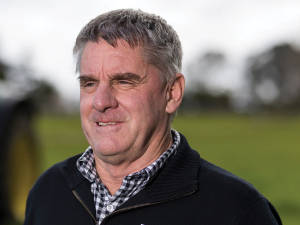
Federated Farmers has welcomed new rural policies released by ACT, saying they align closely with its own election priorities.
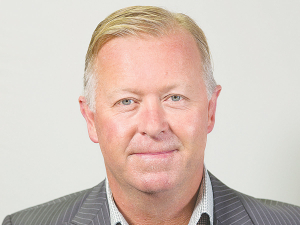
Rural Contractors NZ says proposed changes to land transport rules for agricultural vehicles are a welcome response by the Government to out of date regulations which have seen members hit with huge fines.
Alliance is calling for final applications for its 2027 Graduate Programme, with applications closing on Sunday 25 October.
Decades piloting planes has ensured vet and farmer David Hayes is focused on safety. So, after a serious accident while welding on farm, he is sharing his experience so others can learn from it.
Canterbury milk processor, Synlait Milk has confirmed Leon Fung as its chief executive officer.
OPINION: Making it easier to collect rainwater and use it to grow crops and livestock is a no brainer.