NZ Avocado Sector Eyes Bigger Crop and New Export Markets
The avocado sector is entering the new season with a larger crop and positive market opportunities.
 increase font size
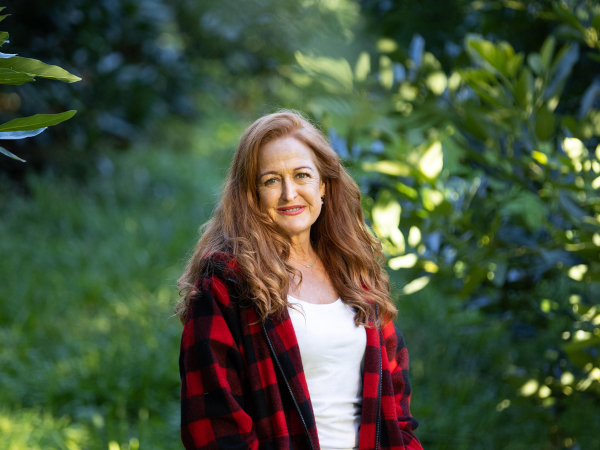 NZ Avocado Growers Association chief executive Jen Scoular will step down in August.
NZ Avocado Growers Association chief executive Jen Scoular will step down in August after serving 12 years in the role.
Scoular’s resignation was announced today by association chair Linda Flegg.
She says Scoular has served the association tirelessly over the past 12 years with many achievements along the way.
“When Jen took up the role after a four-year term as a trade diplomat in Hamburg, Germany, our industry was struggling and lacked engagement, communication and systems, which gave Jen a lot to focus on,” says Flegg.
Under her leadership industry value has increased from $82m in 2011-12 to $231m in 2021, and the New Zealand market value from $19m to $62m in 2021-22. During her tenure the industry successfully achieved market access for avocados into both the China and India market, joined the biosecurity partnership with the government and achieved the first horticulture primary growth partnership in 2014, which finished in December 2022.
Flegg says the 10th World Avocado Congress held in Auckland last month was a fitting finale for Scoular.
“With five years in the planning, against the odds of covid and border closures, it was a phenomenal success.”
Scoular will remain in the role until mid-August and will take the opportunity to farewell some of the 1,400 avocados growers across the growing regions.
Flegg says Scoular is leaving “a legacy that will require some big shoes to fill”.
The avocado sector is entering the new season with a larger crop and positive market opportunities.

Avocado growers are reporting a successful season, but some are struggling to keep their operations afloat following years of bad weather.
While NZ Avocado is not directly involved in selling fruit, it does have a significant role in supporting exporters to develop and grow markets.
After two challenging years, the country’s avocado growers are quietly optimistic that a good year is in the making.
Avocado growers are taking a major hit from weather-related impacts this season.


Safer Farms is urging farmers to make sure everyone working on farm has safe, suitable footwear for the job.

The Government is backing work on a community-led water storage scheme that could irrigate up to 11,000 more hectares of the Poverty Bay flats, Agriculture Minister Todd McClay says.
Agri-tech company Herd-i has become a new all-region sponsor of the New Zealand Dairy Industry Awards (NZDIA), the largest nationwide celebration of excellence in the dairy sector.
Four candidates have been confirmed for two director positions on Fonterra’s board.
Returning to the family dairy farm after playing 20 years of professional rugby around the world is no easy task.
After delivering another record farmgate milk price to 100 supplying farms, independent milk processor Tatua is entering thee new financial year with a positive outlook.