
NZ Avocado Sector Eyes Bigger Crop and New Export Markets
The avocado sector is entering the new season with a larger crop and positive market opportunities.



 increase font size
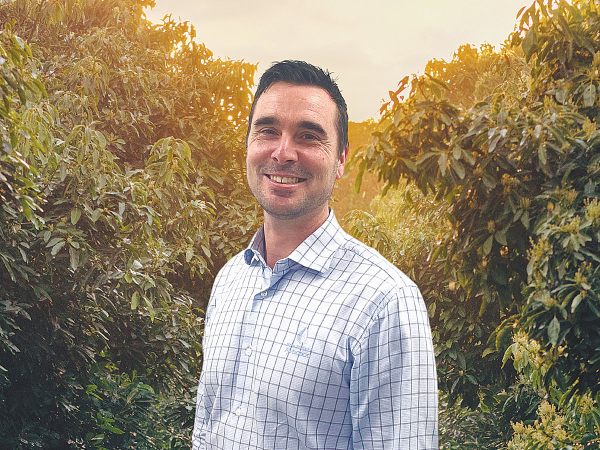 NZ Avocado chief executive Brad Siebert says the sector is facing a significant drop in export volumes while operating costs are rising.
Boosting grower returns is the number one priority for new NZ Avocado chief executive Brad Siebert.
The avocado sector is facing a significant drop in export volumes while operating costs are rising. This season, export volumes are down a million trays due to weather-related impacts on fruit quality.
Siebert, along with a new NZ Avocado board, is drawing up a new strategy to meet those challenges.
They plan to review their structure and an approach to export systems that are agile and efficient and bring long term resilience.
"Our inheret challenges are achieving consistent yields of high-quality fruit and building demand in export markets," Siebert told Hort News.
"For this reason, we are pursuing market opportunities, removing unnecessary compliance and advocating for growers' views to ensure policy settings with central and regional governments that are fit for purpose.
"To overcome the competition that we now face in some of our key markets, the sector will need to prioritise market development offshore and within New Zealand at a sufficient intensity to overcome these challenges."
Siebert replaces Jen Scoular who stepped down in 2023 after 12 years in the role. He joined NZ Avocados 10 years ago, to manage the Primary Growth Partnership, a crown co-funded programme focused on market diversification, supply chain collaboration and the industry systems supporting an export focused sector.
Siebert has also led the biosecurity, risk management, market access, resource management and sustainability areas of the association. He says he's proud to be able to lead a team focused on supporting the growers and supply chain partners of the avocado industry.
"It is of course daunting with the realities of the current season being realised, however my background and relationships that I have built are well suited to the areas that the industry needs to have a focus on in the coming years to ensure that growers get rewarded for what they do best.
"I am confident that we have the right talent through the team, within the industry and around the board table to meet the challenges ahead."
The avocado sector is entering the new season with a larger crop and positive market opportunities.

The avocado industry is facing an extremely challenging season with all parts of the supply chain, especially growers, being warned to prepare for any eventuality.
New Zealand avocado growers have received a major boost by securing a collective FernMark Licence for their exports.
Avocado growers are reporting a successful season, but some are struggling to keep their operations afloat following years of bad weather.
While NZ Avocado is not directly involved in selling fruit, it does have a significant role in supporting exporters to develop and grow markets.


National’s pledge to introduce 19 new national standards shows the party is serious about getting Wellington out of farming, Federated Farmers says.
The National Party’s policies to make it easier to grow fresh vegetables, secure reliable water and energy and simplify farm planning are practical changes that will give growers the confidence to invest, according to Horticulture New Zealand (HortNZ).
Fonterra Co-operative Group chief financial officer Andrew Murray has resigned to take up a role outside the dairy giant.
A major move is about to get underway to improve the quality and viability of dairy beef and cattle in NZ.
Veterinarians say changes to the code of welfare for dairy cattle provides a positive foundation for improved cattle welfare across the country.
Today, 15 October, is the International Day of Rural Women, which recognises rural women’s contribution to farming, communities and the environment.


OPINION: The same mainstream media muppets that brought you Jacindamania in 2017 have been flat out pimping for the Opportunities…
OPINION: Your old mate reckons the atrocious way farmers in the UK are treated by their lords and masters in…




