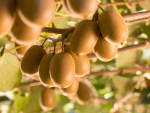
NZKGI Responds to Migrant Worker Exploitation Reports
Where any worker in the kiwifruit industry is mistreated, we expect the authorities to take action.
 increase font size
 New Zealand Avocado chief executive Brad Siebert says some growers are struggling to keep their operations afloat.
Avocado growers are reporting a successful season, but some are struggling to keep their operations afloat following years of bad weather.
New Zealand Avocado chief executive Brad Siebert says the good news was that Australia was able to take a significant portion of the export crop along with new markets in North America and existing ones in Asia.
This meant that growers who had a reasonable packout were rewarded with some reasonable returns, he says.
“I say reasonable because the returns are shy from the highs of number of years ago,” Siebert told Rural News.
“We still struggled with packouts due to several weather events - not as extreme as cyclone Gabrielle, but which really downgraded the fruit. The average industry packout is around 50% - but remember this is an average and some growers have been below 35% due mainly to the effects of Gabrielle while other have packout rates of between 80% and 90%,” he says.
Siebert says they would like to see the industry average up around the 60 to 70% mark which it was in the past. But he says to get this, all the stars must align and that includes have good crop protection and kind weather.
He says they were hoping for what he called ‘cleaner fruit’ meaning undamaged but notes that Cyclone Tam, which struck over Easter, resulted in fruit being affected by the wind causing some cosmetic damage to fruit in especially in Northland. He says this will see some fruit downgraded.
While for some months Northland was facing a severe drought, in the last few weeks it’s been hit with heavy rain which has resulted in water lying in orchards. Siebert says the avocado is a shallow rooted tree and unless the water drains away quickly it can affect tree health.
“The trees that aren’t well drained just sulk and the water has the potential to cause long term tree health, so growers must actively manage that. As an industry we are just trying to support them as best we can with resources and helping them to manage the cleanup,” he says.
Weather Woes
Reflecting on last season, Brad Siebert says it was something of a relief to see growers who had export crops being rewarded with reasonable returns. He says for the sector it validated the discussions that were held with lenders and banks around the specific climatic reasons that saw a drop in returns.
“But we are now able to show that when the weather plays its part, the industry is able to rebound from those weather impacts and sell fruit at value in our key markets,” he says.
While things are looking up for the coming 2025/26 season, for some growers the problems are far from over.
They have had negative cash flows for the past two years due to cyclone Gabrielle and they are being severely challenged to remain in business even with the better returns of the past season.
In horticulture we live in a world of biology, says Siebert noting there are things that growers can and can’t control. He points to tariffs, market access and weather and things that growers can’t control.
Where any worker in the kiwifruit industry is mistreated, we expect the authorities to take action.

Kiwifruit growers are watchful but remain optimistic as concerns around the potential effects of the El Niño weather pattern this season.
James Blair, an agronomist for AS Wilcox and the Pukekohe regional champion, has won the 2026 Young Grower national title.
Claimed to be the first autonomous robot for New Zealand vegetables growers, the first Kilter AX-1 unit has arrived in the country.
After delivering a strong financial year, rural trader PGG Wrightson says the coming months will depend on customer confidence and weather.


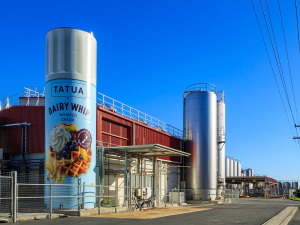
Waikato milk processor Tatua has again declared a record milk payout to farmer shareholders, leaving other processors in the dust.

A Labour-led Government won’t be bringing back the controversial freshwater rules of 2020.
National’s much-touted free trade deal with India featured in the Rural Issues Debate at Mystery Creek, Hamilton on Wednesday night.
New Zealand's 2026-27 freshwater fishing season has opened, with anglers encouraged to head to rivers and lakes over the coming days as conditions look favourable across much of the country.
Central Otago District Council (CODC) has voted against a plan to spread treated sewage sludge from Cromwell and Alexandra on farmland near Lauder, a decision Federated Farmers says reflects strong opposition from rural residents.
Pāmu has released its FY26 Integrated Annual Report, reporting a Net Operating Profit of $113 million, more than double the $49 million recorded in FY25.