NZ Red Meat Sector Disappointed as US Lamb Probe Advances
New Zealand's red meat sector says it is disappointed that the United States' investigation into lamb imports will move to its next phase.
 increase font size
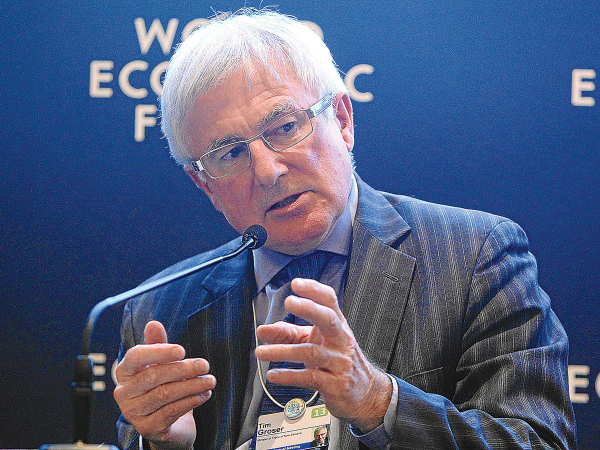 Former Trade Minister Tim Grosser says the 15% tariff imposed on NZ is a floor price, not a ceiling.
Two leading New Zealand trade experts warn that the 15% tariff slapped by the US shouldn't be taken lightly.
The tariff could go higher and be hugely disruptive to the agriculture sector, NZ's main export earner.
Former Trade Minister and trade negotiator Tim Grosser says the 15% tariff imposed on NZ is a floor price, not a ceiling, and there's a possibility further tariffs could be added in future.
He says it's still uncertain whether the 15% tariff announced by US President Donald Trump includes the existing tariffs imposed on NZ exports to the US that were negotiated about 30 years ago, or is on top of these.
"NZ is not out of the woods yet and there is a high degree of uncertainty surrounding the announcement by Donald Trump as no details have been provided," he told Rural News.
Grosser says it's important to not just focus on the 15% tariff, but to look globally at the wider impacts for NZ of varying tariff rates being applied to other countries - something he calls a "crude piece of economic nonsense".
He says the impacts of the tariffs will cause chaos ion some of the economies that are extremely important trading partners with us.
He says over the years NZ has developed new markets in countries which 20 years ago as a trade negotiator he would never have thought about.
Grosser points to the example of Vietnam - now NZ's second largest market for apples. He says the growth rate of Vietnam has been phenomenal but now that Trump has forced that country to accept a tariff rate of 19%, the future for NZ sales there could be endangered.
He adds that some of the farm lobby groups in the US may try to pressure Trump to take a harder line against exporting countries like us.
"What I'm saying is that we can't assume that the very steady export growth and progress in diversifying our agricultural exports is going to proceed in the next five years as it did in the last 20 years," he says.
Grosser also notes that the 15% tariff rate imposed on NZ is 5% higher than Australia, which has a free trade deal with the US, and that could widen the gap between the trans-Tasman nations.
Former special agricultural trade envoy Mike Petersen believes the 15% tariff is going to be hugely disruptive for the NZ agri sector, although he adds, amongst the chaos there may be opportunities. He says what concerns him most is that now that the 15% tariff has been imposed, there is every chance that even if a new administration takes office in the USA, these will not be removed and could be there for years, possibly decades, to come.
Petersen says that the way this is playing out, NZ could find itself at a disadvantage to the likes of Australia, Argentina and Uruguay.
"The other frustrating thing is that the decision was made about NZ without us being able to have any real input into that," he told Rural News.
Both Petersen and Grosser are concerned about the effects of high tariffs imposed on a country such as Brazil - a major exporter of beef to the US.
Petersen says their high tariff rate effectively cuts them out of the US market and that raises the question of where all that meat will end up. Some say China, but the word is that China is already investigating the level of its beef imports.
"So right now no one knows what is happening and no one fully understands the implications of the US tariff policy," he says.
Trade Minister Todd McClay says the tariffs risk harming exporters and consumers of both countries.
McClay is seeking an audience with US Trade Representative to make New Zealand's position clear.
"The US currently faces an average tariff of just 0.8% when exporting to New Zealand, far lower than what we face into their market," McClay says.
New Zealand's red meat sector says it is disappointed that the United States' investigation into lamb imports will move to its next phase.

Supply chain problems, growing protectionism and a move to greater food security are some of the key challenges facing New Zealand exporters, according to our top trade negotiator, Vangelis Vitalis.
PM Chris Luxon can't seem to buy a trick when it comes to the polls, particularly for his own approval rating as preferred Prime Minister.
New Zealand red meat exports are booming but a pending decision in the White House, Washington D.C., could dent sheepmeat earnings.
OPINION: When Donald Trump returned to the White House, many people with half a brain could see the results for the world might be a bit average, and our boy has been busy trying to prove them right.
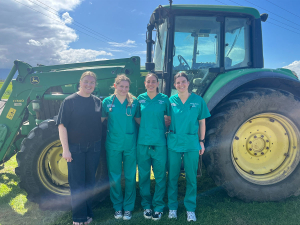
This year's Rural Medical Immersion Programme (RMIP) students have finished their placement year in South Taranaki, and all three are staying in Taranaki for their next placement.
Groundswell is welcoming the resignation of Rob Hewett as Farmlands chair, saying the agribusiness leader has made the right call.
Farmlands shareholder directors are urging farmers and growers to vote ahead of the Farmlands AGM 2026, with the deadline to appoint a proxy at 6.30pm this Sunday 22 November.
Lamb survival has always been a key driver of sheep farm performance.
For the second time in three weeks, Fonterra has lifted its farmgate milk price, on the back of soaring milk powder prices.
The 2027 East Coast Farming Expo will continue a decade long tradition in bringing the latest innovation, intriguing speakers, industry leaders and more.