McRae Wins Southern South Island B+LNZ Director Vote
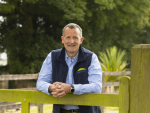
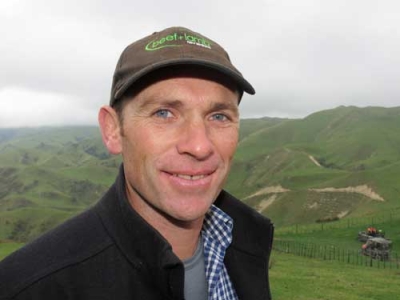
Matt McRae, a farmer from Mokoreta in Southland who runs a sheep, beef and dairy support business alongside a sheep stud, has been elected to the Beef +Lamb NZ Board as a farmer director.
 increase font size
 Beef + Lamb chairman James Parsons says farmers want an organisation to represent their interests and one that provides them with clear demonstrable value.
The 2015 sheep and beef levy referendum has ended showing apathetic voter turnout – around the same number as last voted six years ago.
As at 10am last Thursday, 6296 farmers had cast their votes, representing only 37% of the voting papers sent out; the previous referendum in 2006 recorded a 39% turnout.
Voting ended at 5pm on Thursday; a strong ‘yes’ vote was on the cards.
Under the Commodity Levies Act 1990 Beef + Lamb NZ is required to ask sheepmeat and beef producers (including dairy farmers through their cull cows) if they wish to continue funding activities and programmes for six years from 2016-22.
The current sheep and beef levy orders (the mechanism that allows a levy to be collected) run out in February 2016.
At least 50% of voting farmers, by both number voting (‘one farmer, one vote’), and their number of stock units (weighted vote), need to support continuing a levy for a new levy order to be approved.
BLNZ held farmer meetings throughout the country to explain what the industry-good organisation is planning
Chairman James Parsons says while each region has its own issues and climatic challenges, common themes have consistently been raised in discussions.
“Overwhelmingly farmers have said they want an organisation to represent their interests, but importantly one that provides them with clear demonstrable value,” he says.
One area of common interest is the market access work. Farmers seem united in the need for BLNZ to work on their behalf alongside the Government to ensure the best trade arrangements for farmers and ultimately that all tariffs are eliminated.
Last year this work saved $161 million that would otherwise have gone on tariffs if free trade agreements like those with China and Taiwan had not been in place, Parsons says.
“There is a lot of interest in the potential for our sector through the Trans Pacific Partnership and we fully support the Government’s insistence that we must strike a high quality deal.
“Some farmers have voiced disquiet at the possibility the deal could weaken New Zealand’s sovereignty, but there was widespread acknowledgment that NZ producers must remain competitive and be a part of the deal if it is to progress."
Matt McRae, a farmer from Mokoreta in Southland who runs a sheep, beef and dairy support business alongside a sheep stud, has been elected to the Beef +Lamb NZ Board as a farmer director.
The red meat sector is poised for a strong rebound this season, with export receipts forecast to top $10 billion and farm profitability to almost double.
Progeny testing at Pāmu’s Kepler farm in Southland as part of Beef + Lamb New Zealand’s Informing New Zealand Beef programme is showing that the benefits of hybrid vigour could have a massive impact on the future of beef breeding.
Beef + Lamb New Zealand (B+LNZ) has reiterated calls for New Zealand to revise its methane targets after the Government's "disappointing" announcement of its revised Nationally Determined Contribution (NDC).
Beef + Lamb New Zealand (B+LNZ) is having another crack at increasing the fees of its chair and board members.

Entries are now open across eleven regions for the 2027 New Zealand Dairy Industry Awards (NZDIA).
Safer Farms is urging farmers to make sure everyone working on farm has safe, suitable footwear for the job.
The Government is backing work on a community-led water storage scheme that could irrigate up to 11,000 more hectares of the Poverty Bay flats, Agriculture Minister Todd McClay says.
Agri-tech company Herd-i has become a new all-region sponsor of the New Zealand Dairy Industry Awards (NZDIA), the largest nationwide celebration of excellence in the dairy sector.
Four candidates have been confirmed for two director positions on Fonterra’s board.
Returning to the family dairy farm after playing 20 years of professional rugby around the world is no easy task.