Wired for Science: Understanding the feeding habits of mealybug
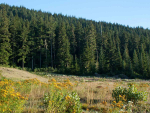
Fussy children might be frustrating, but fussy mealybugs could help protect the New Zealand wine industry from grapevine leafroll-associated virus 3.
 increase font size
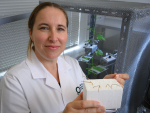
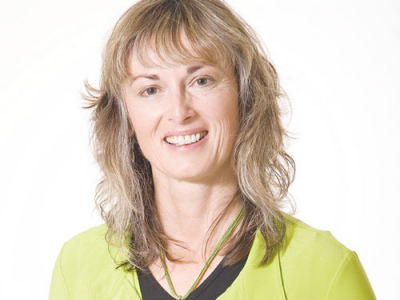 Michelle Thompson.
Sorting health issues will help improve the safety of rural communities, says Rural Health Alliance Aotearoa New Zealand chief executive Michelle Thompson.
RHAANZ represents a range of groups concerned with rural health, e.g. medical professionals, Federated Farmers, Rural Women NZ and local authorities.
Thompson says New Zealand as a country tackles the safety aspect of farming, but we don’t understand the bigger picture: safety for rural workers results from healthy working conditions, for example, adequate sleep, a balanced diet and reasonable time off.
“RHAANZ’s view is if we concentrate more on the health side, the safety issues will almost certainly sort themselves out,” Thompson told Rural News.
“Healthy living in rural areas means good health services and importantly good broadband so that communities and individuals are well connected. If people have healthy lives they are less likely to have an accident or do risky behaviour. There is also a strong link between good health and wellbeing and productivity.”
Rural News has heard of staff on dairy farms, in particular, being asked to work for nearly a month and then only getting three days off.
“These are completely unreasonably and unsafe working conditions,” says Thompson.
“But it’s no better for rural health workers. Look at the workloads rural doctors and midwives... are now carrying. They are on their own, have huge on-call requirements and no backup.”
Thompson refers to a RHAANZ ‘road map’ that sets out key actions needed for improving rural health. Notably, good cell-phone coverage and internet broadband are essential for the good of people in rural areas often far from help and emergency services.
Also lacking is quality mental health service for rural people who suffer from stress.
“Mental health outcomes are much poorer for rural communities than urban.”
A lack of quality data hampers understanding of the full extent of rural health problems, Thompson says. The current data cannot be analysed in a way that gives an accurate picture of what RHAANZ believes is happening in health outcomes. Without adequate data it will remain difficult to argue a case for change.
Fussy children might be frustrating, but fussy mealybugs could help protect the New Zealand wine industry from grapevine leafroll-associated virus 3.

Let's hope there’s truth in the talk of a funding reprieve for the rural health body Rural Health Alliance Aotearoa NZ (RHAANZ).
The Rural Health Alliance (RHAANZ) seems promised a reprieve, and is now looking at restructuring rather than ‘hibernation’.
New Zealand’s umbrella rural health organisation will move to shut down if it does not receive government funding next week.
Stresses on rural people may have increased due to the cumulative effect of various pressures over the last few years in farming.



Alliance is calling for final applications for its 2027 Graduate Programme, with applications closing on Sunday 25 October.
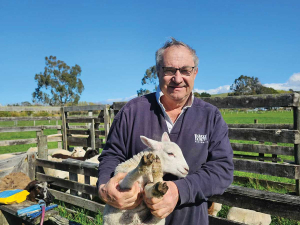
Decades piloting planes has ensured vet and farmer David Hayes is focused on safety. So, after a serious accident while welding on farm, he is sharing his experience so others can learn from it.
Canterbury milk processor, Synlait Milk has confirmed Leon Fung as its chief executive officer.
OPINION: Making it easier to collect rainwater and use it to grow crops and livestock is a no brainer.
As part of its Election 2026 coverage, Rural News asked political parties how they would help pull the arable sector out of the doldrums. Here's what they said:
Farmers are being encouraged to rethink how they manage waste on farm with the launch of ruralwastesorted.co.nz, a new website bringing together practical tips, real farmer experiences and resources.