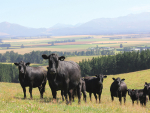
BVD Control Begins Long Before You See A Problem
Bovine Viral Diarrhoea (BVD) is sometimes viewed as a dairy industry issue, but the reality is that the disease can have serious consequences for beef breeding herds as well.
 increase font size

It is "inbelievable" that it took six weeks to identify a limb found in palm kernel expeller (PKE) came from a New Zealand sheep, says Labour's biosecurity and primary industries spokesperson Damien O'Connor says.
"The discovery of an animal limb in a shipment of PKE delivered to a Bay of Plenty farmer has rightly rung alarm bells across our primary sector economy," says O'Connor.
"It resulted in a six-week long process to identify what the Ministry of Primary Industries initially claimed was a bone from a small exotic animal, but which it now 'confirms' as having come from a New Zealand sheep.
"This unbelievably long and protracted process raises as many questions as it provides interim answers.
"The system is clearly failing if it takes that long to identify a domestic sheep limb.
"Primary Industries Minister, Nathan Guy, and Ministry bosses have offered numerous assurances in the past - on a range of issues - that later proved to be inaccurate, hence I have little confidence in today's announcement.
"If it takes MPI six weeks to identify a NZ sheep, no wonder it is blind to the risk of contamination in PKE imports.
"Two farmers provided the information and evidence exposing the threat, yet Mr Guy and his officials continue to deny the reality of this potential pathway for foot and mouth disease to enter New Zealand.
"I simply can't believe it has taken the Minister this long to identify where, or what, the limb came from. I also don't believe that he is operating a safe biosecurity system."
Bovine Viral Diarrhoea (BVD) is sometimes viewed as a dairy industry issue, but the reality is that the disease can have serious consequences for beef breeding herds as well.

Election years are always a concerning time for farmers, according to DairyNZ chair Tracy Brown.
Testing confirms H5 bird flu in a single northern giant petrel, found dead on a remote Cape Palliser beach in the Wairarapa, says Dr Mary van Andel, the Ministry for Primary Industries' (MPI) Chief Veterinary Officer.
Bovine Viral Diarrhoea (BVD) is sometimes viewed as a dairy industry issue, but the reality is that the disease can have serious consequences for beef breeding herds as well.
Four years since it was first detected in New Zealand, researchers and growers now know much more about management of maize pest fall armyworm (FAW).


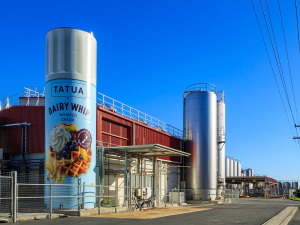
Waikato milk processor Tatua has again declared a record milk payout to farmer shareholders, leaving other processors in the dust.

A Labour-led Government won’t be bringing back the controversial freshwater rules of 2020.
National’s much-touted free trade deal with India featured in the Rural Issues Debate at Mystery Creek, Hamilton on Wednesday night.
New Zealand's 2026-27 freshwater fishing season has opened, with anglers encouraged to head to rivers and lakes over the coming days as conditions look favourable across much of the country.
Central Otago District Council (CODC) has voted against a plan to spread treated sewage sludge from Cromwell and Alexandra on farmland near Lauder, a decision Federated Farmers says reflects strong opposition from rural residents.
Pāmu has released its FY26 Integrated Annual Report, reporting a Net Operating Profit of $113 million, more than double the $49 million recorded in FY25.