Editorial: United strategy for wool
OPINION: Wool farmers believe the future of strong wool still holds promise.
 increase font size

CROSS-BRED WOOLD GROWERS have had only two years of profitable returns over the past decade, based on at an estimated average production cost of $4.50/kilo of greasy wool.
This continues a 30-year downward cycle and Mark Shadbolt, chairman of Wools of New Zealand, says the numbers make for sober reading.
"The industry's primary concern has to be with price volatility. When there's a price spike manufacturers switch away from wool, eroding demand and fuelling further volatility," says Shadbolt. "Wools of New Zealand have developed a stable pricing model designed to stabilise prices for growers and customers alike, which over time will provide incremental growth in demand and ultimately returns at farm gate."
Writing in the just released Wools of New Zealand annual report – the first since the company's successful capital raise was completed in February this year – Shadbolt notes that the company has developed two six month stable price contracts direct with customers.
"To our knowledge this is unique in the industry and will be a mechanism used widely as Wools of New Zealand develops. Our customers are looking for a stable supply of fit-for-purpose product and most importantly sustainable prices where growers and customers are rewarded equitably."
Wools of New Zealand also entered into its second year of supply during the year with UK based fabric weaver Camira UK, with a contract price to growers of $5.35/kg clean, a $0.55 premium on the spot price at the time of introduction. The company is currently finalising a new contract for the coming year.
In the chief executive's report Ross Townshend adds that the company will be embarking on a pathway of 'price discovery' rather than price taking at the end of the textile 'food chain'. "Our strategy is centred on market pull. It is encouraging that more than 50 significant customers are committed to the Wools of New Zealand brand, with about 20 taking the next step and co-branding with our Laneve brand, a position truly unique to Wools of New Zealand."
To download the full annual report go to www.ourwool.co.nz
OPINION: Wool farmers believe the future of strong wool still holds promise.
Woolgrowers have almost unanimously voted in favour of the proposed merger of Wools of NZ (WNZ) and Primary Wool Co-operative- owned CP Wool (CPW).
Former Beef+Lamb chair James Parsons has been elected as chair of Wools of New Zealand (WNZ).
The Wool Summit had an air of collaboration and an understanding of the need to consolidate the industry, says Wools of New Zealand chairman Mark Shadbolt.



The primary sector is leading New Zealand's economic recovery, according to economist and researcher Cameron Bagrie.
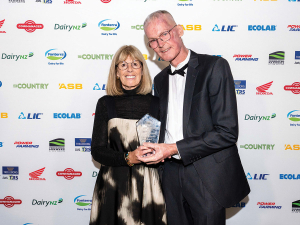
Dairy industry leader Jim van der Poel didn't make much of the invitation he received to the recent New Zealand Dairy Industry Awards in Rotorua.
Farmers around the country are going public big time, demanding their local district, city and regional councils come up with amalgamation plans that meet the needs of rural communities and don't allow urban councils to dominate.
The battle for the rural vote is on and parties are securing high profile names to try and bolster their chances at the general election.
Horticulture New Zealand says proposed changes to the Plant Variety Rights Act 2022 will drive innovation, investment and long-term productivity.
More than 1200 exhibitors will showcase their products and services at next month’s National Fieldays, with sites nearly sold out.