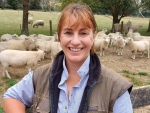
Mary Bowron Named Best Sheep and Beef Vet of the Year
B+LNZ's Wormwise veterinarian Mary Bowron has won the Best Sheep and Beef Vet of the Year Award in recognition of her outstanding contribution to New Zealand’s sheep and beef sector.
 increase font size
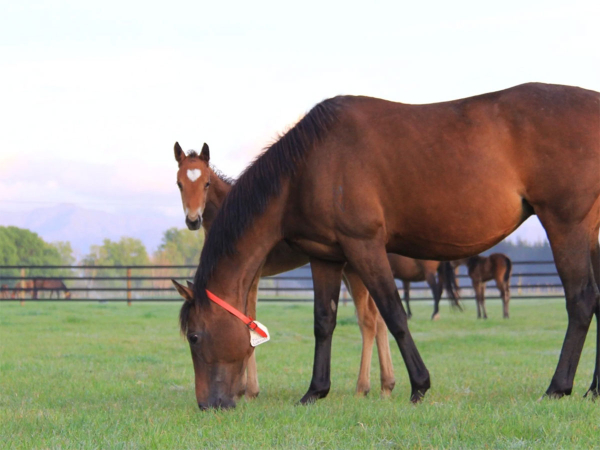 There are currently 12 confirmed infected properties. Photo Credit: New Zealand Equine Health Association.
Equine veterinarians say horse owners need to stay alert and communicate with their vets following an outbreak of the highly contagious bacterial disease Strangles in the North Island.
Holly Blue, New Zealand Veterinary Association (NZVA) head of veterinary services - equine, says that early detection and strict biodiversity measures, including isolation and monitoring horse temperatures are critical to limiting the spread.
“We are currently monitoring affected and suspected properties and working closely with stakeholders to manage the cases while supporting industry activities, including race meets and sport horse events to continue safely,” Blue says.
Currently, there are 12 confirmed infected properties. 11 of them are in the Waikato and one is in Auckland. That Auckland case is directly linked to the Waikato outbreak.
The affected young horses are being kept in isolation, and the current risk to the wider Auckland horse population is considered very low.
“At this stage, the outbreak remains confined to the thoroughbred population and is largely restricted to one regional area," says Blue.
"While everyone involved with horses should remain vigilant and continue to maintain good biosecurity and disease control practices, there is currently no evidence of transmission into other horse populations.”
Blue says that while it's not a notifiable disease Strangles can spread rapidly and cause severe illness and any prolonged outbreak would have a significant impact on horse welfare as well as the industry with increased costs, disruption to international movement and reputational damage.
“Strangles spreads through direct contact with infected horses, or personnel such as groomers, trainers and even domestic pets that have been in contact with them, as well as contaminated equipment, clothing, footwear and hands, and infected nasal and oral secretions," she says.
Blue says it is critical that horse owners monitor for early signs of the disease.
Those signs include fever, loss of appetite, depression or dullness, coughing, thick nasal discharge and swollen glands.
"Ultimately, a thermometer is your best friend right now. If you notice a fever especially after movement, travel or contact with unfamiliar horses, treat it as Strangles until proven otherwise.
“Isolate the horse immediately and contact your veterinarian for diagnosis and advice.”
Horse owners should follow stringent biosecurity protocols, including using PPE when handling horses, monitoring the temperatures of both healthy and infected horses regularly, and isolating any suspected cases.
“Disinfect all equipment and clothing after contact with infected or suspected cases. To help prevent the disease, regularly disinfect equipment and wash hands thoroughly after handling horses.
“Horse owners should also talk to their veterinarian about vaccination, which can help reduce the severity of disease," Blue says.
She says treatment involves nursing care, good nutrition and hydration.
“With these measures, most horses recover and antibiotics are not generally required, except in very rare cases and only with veterinary advice.
“Again, a thermometer is your key tool, along with staying informed, staying vigilant and work closely with your veterinarian for advice, diagnosis, treatment and protecting your horses from Strangles.”
Further support and resources are available on the New Zealand Equine Health Association website.
B+LNZ's Wormwise veterinarian Mary Bowron has won the Best Sheep and Beef Vet of the Year Award in recognition of her outstanding contribution to New Zealand’s sheep and beef sector.

Vets say they support the responsible use of virtual fencing and virtual herding technology for cattle and wants to work with farmers, manufacturers and government to help shape standards for future use backed by ongoing research to strengthen animal welfare outcomes.
Animal owners can help protect life-saving antibiotics from resistant bacteria by keeping their animals healthy, says the New Zealand Veterinary Association.
Around 97% of New Zealand pet owners value the care provided by their vet teams, but the broader contribution of animal health professionals to society often goes unseen, a new study has revealed.
Taranaki veterinarian Dr Rob Mills is the new president of New Zealand Veterinary Association (NZVA).



New Zealand's role is not to compete with Indian growers, according to NZ Apples and Pears.

The potato industry is celebrating the success of two rising stars - James Blair, the 2026 Young Grower of the Year and runner-up and innovation award winner, Amber Davy.
Twenty-eight emerging leaders from across the horticulture sector spent two days last month learning valuable skills and connecting with industry experts.
There are five entrants in this year’s Young Horticulturist of the Year, competing in a series of technical, practical, business and leadership challenges.
A seasoned horticulturist has been appointed to deliver the Apple Action Plan, a key initiative of the India-New Zealand Free Trade Agreement.
South of the central Hawke’s Bay town of Waipukurau is Taniwha Station – a highly successful 550ha bull beef farming operation.