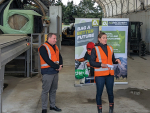
New Rural Recycling Scheme to Replace Voluntary Farm Plastics Programmes by 2027
Environment Minister Nicola Grigg has announced details of a new rural plastics recycling scheme.
 increase font size
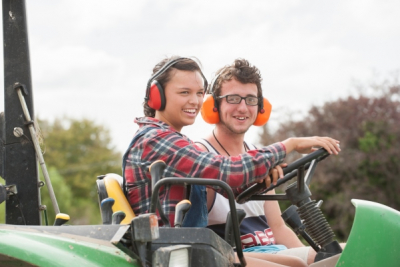
Agricultural training provider Taratahi says its efforts to attract new students have paid off with solid enrolments for 2018.
Taratahi upped its marketing and as a result, the definite enrolments for 2018 are looking great, says chief executive Arthur Graves.
“Taratahi and the wider primary industry have been promoting the job rich agricultural environments and extensive career pathways on offer and those campaigns are now yielding some great results.
The institution is also adapting its farming systems in response to consumer demands for greater visibility over the provenance of their food.
“For instance, this year Taratahi is introducing “sexed” bull semen that almost solely produces female calves – negating the need for the bobby calf trade which is becoming less acceptable to the public. Our aim is to use this innovation to ensure we have zero bobby calves on all our dairy farms.
“It also means our students are exposed to some of the latest on farm methods while educating them about “bigger picture” of where farming is heading with lower input, more animal welfare friendly, environmentally friendly, traceable, natural food.
“We have also worked hard to attract prospective students from the city, by showing them there are a range of interesting career options in what is now a very complex and rewarding sector.”
This has resulted in strong demand for Taratahi’s 2018 courses with more students already enrolled in a range of programmes for 2018 at Taratahi’s nine campuses around the country than at the same time in 2017.
Graves says it is finding that students are keen for a different experience in another region - so many of Telford and Wairarapa residential campus students are coming from all over NZ.
“An extra area of business is the increasing demand from agricultural service organisations seeking practical on farm experiences for their staff and we anticipate this market will continue to expand.”
Farm insurance companies, Farm advisors and government departments who deal with Primary sector and health and safety issues, are a growing customer base for our tailored farm experience and team building programmes.
“That means that Taratahi is providing an on farm education and experience that gives policy makers and influencers a chance to learn the practicalities of modern farming methods while mixing with students who will be tomorrow’s farm leaders,” he says.
Environment Minister Nicola Grigg has announced details of a new rural plastics recycling scheme.
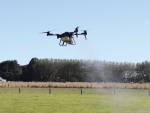
OPINION: David Seymour and James Meager's plan to make it easier for farmers and orchardists to operate drones can best be described a 'courageous' move.
There's been widespread support from the primary sector for the Government's announcement on changes to freshwater farm plans that come under the Natural Environment Bill, which is now set to replace the existing RMA.
The chair of the country's environmental regulator, the Environmental Protection Authority (EPA), says changes are already under way to improve the performance of the agency to better meet the needs of those who interface with them.
Are you ready for El Nino? That’s the question asked by Beef+Lamb NZ’s Ian Tarbotton who leads B+LNZ’s farm extension service.



LIC shareholders have elected a new North Island representative to the co-operative's Board, along with five representatives to its Shareholder Reference Group (SRG), following the company's Annual Meeting held in Invercargill.
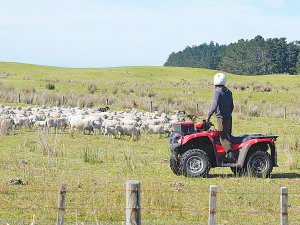
Farmers across parts of Southland and South Otago are continuing to deal with difficult conditions after a prolonged run of wet weather, with pressure building around feed supply, stock management, pasture damage, farm infrastructure and everyday workloads.
Federated Farmers says it welcomes Labour's commitment to reviewing the Sharemilking Agreements Act, calling on other major parties to do the same.
For Canterbury dairy farmers Sian Meijer and Rick Wobben, wearable technology has become one of their most valuable on-farm tools - helping manage 1850 cows across an expansive, high-performing dairy operation while improving efficiency, mating outcomes and day-to-day decision making.
Fonterra has unveiled its annual results for the 2026 financial year, posting $27 billion in revenue and close to $20 billion returned to New Zealand farmer owners and unit holders.
The first major update to the Dairy Cattle Code of Welfare in more than a decade has been released, marking what DairyNZ describes as an important step in ensuring animal welfare standards continue to evolve alongside scientific evidence and on-farm realities.




