Rural Vote Debate on Q&A: Substance or Just Platitudes?
It was billed as a chance for all the political parties to woo the rural vote, but question marks hang over just how effective this was.
 increase font size
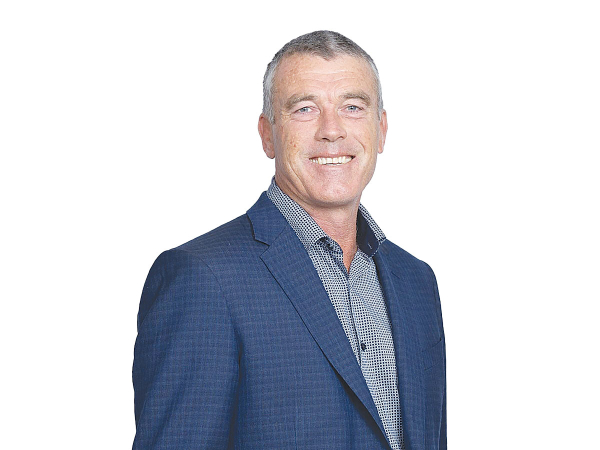 Miles Anderson
Less Wellington bureucracy and more local, on-farm common sense was the focus of recent meetings held in South Canterbury as part of the Government's National Woolshed tour program.
The two meetings, one at Waihaorunga and one at Albury, were hosted by Minister for Rural Communities Mark Patterson and MP for Waitaki Miles Anderson, attracting over 40 farmers at each event.
Patterson outlined the Government's aim to support the wool industry in these dire times, while also allowing it to grow beyond what it was capable of beforehand.
"There's been a global swing to natural fibres. Some smart entrepreneurs are doing some very interesting things, such as 3D printing biodegradable acoustic wall panels.
"We absolutely need wool prices to lift, especially as a support when meat prices run low. If there's a hill to die on, there are less worthy ones than wool."
Patterson said that the previous government "had been too Wellington-centric", ignoring the provinces that make up significant portions of New Zealand's population and economy.
Anderson said that while the original Resource Management Act had local input, he felt that outside non-government organisations had become too influential on policy matters. "I don't think outside organisations should be given more standing than local knowledge."
The announcement that the Government would be repealing intensive winter grazing regulations and amending the '10 degrees' low slope law drew much applause from the crowd.
"We've seen farmers lift their game about winter grazing over the last 3-4 years," said Patterson. "It's a high trust model."
Nevertheless, Anderson and Patterson said there was still a lot of work to do to get regulations up to standard for farmers.
Anderson points to changes in the nation's gun laws, passed in the wake of the Christchurch massacre that, combined with lost hunting seaons in 2020-21 due to Covid, have seen pest species populations explode across the country.
"Meanwhile, wilding pines planted to capture carbon credits have overtaken native plants and, ironically, by disturbing the native environment they have actually increased gas emissions."
Some topics divided the room, however, with live exports and gene editing sparking fierce debate between attendees and the representatives, with those in support being matched by those against.
Patterson, speaking in support of live exports, said that regardless of personal views on the issue, it was imperative that New Zealand adopt models to ensure that farmers can continue to have reliable income over different governments.
"We need the primary sector humming. We can't afford to turn down opportunities. We want to analyse the latest science and review. It's not going to be a quick fix, but we can make it work."
It was billed as a chance for all the political parties to woo the rural vote, but question marks hang over just how effective this was.
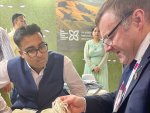
Just a matter of hours after Indian Prime Minister Narendra Modi's historic trip to New Zealand, the political doors in India swung wide open for Associate Minister of Agriculture, Mark Patterson, who was there to help promote our high-quality coarse wool.
OPINION: After all the criticism that Winston Peters leveled at the India/NZ FTA, it seemed just a trifle ironic to the Hound that the first NZ politician to visit India after Prime Minister Modi's visit was a member of the Ewe Zealand First party.
Associate Agriculture Minister Mark Patterson says his party – NZ First - isn’t opposed to the “trade element” of a free trade deal with India.
The Government is investing in a range of initiatives designed to strengthen the resilience of rural communities and improve preparedness for future adverse events.


The Royal New Zealand College of General Practitioners (the College) and Hauora Taiwhenua Rural Health Network are calling for investment in a proposed new training pathway for rural GPs, warning that many rural practices are struggling to recruit while a large share of the existing workforce nears retirement.
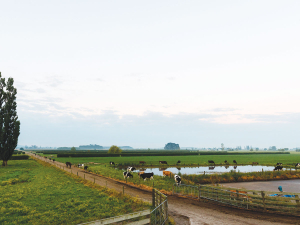
Federated Farmers has called on Central Otago District Council (CODC) to drop or vote down a plan to truck sludge from Alexandra and Cromwell to farmland near Lauder, warning it would compound an "outrageous" situation created by a separate council's decision weeks earlier.
Synlait has swung to second-half profit as operations stabilise, but the dairy processor still posted a $75.4m annual loss.
LIC shareholders have elected a new North Island representative to the co-operative's Board, along with five representatives to its Shareholder Reference Group (SRG), following the company's Annual Meeting held in Invercargill.
Farmers across parts of Southland and South Otago are continuing to deal with difficult conditions after a prolonged run of wet weather, with pressure building around feed supply, stock management, pasture damage, farm infrastructure and everyday workloads.
Federated Farmers says it welcomes Labour's commitment to reviewing the Sharemilking Agreements Act, calling on other major parties to do the same.