Ospri Urges Farmers To Prepare NAIT Records Before Moving Day
Moving Day (June 1) is just around the corner and farmers who are moving farms with the herd are being urged by Ospri to start preparations now.
 increase font size
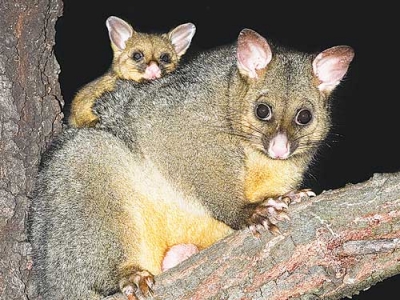 Proposed changes to the TBfree programme will have a big impact on pest control work.
The future of TB control in New Zealand is in the hands of farmers and other key stakeholders, with the TB Plan proposal now open for consultation.
Michelle Edge, chief executive of OSPRI, says the proposed changes to the TBfree programme “would have a big impact on the pest control work… and disease testing we currently undertake on farms. It is important that farmers and other industry participants understand the proposal and have their say,” she says.
An independent plan governance group (PGG) of representatives from the dairy, beef and deer industries, Government, OSPRI and its stakeholders’ council has been reviewing the TB Plan over the past few months. The group is examining policy issues and an independent science review.
Edge says its initial view on the proposal is positive, recognising it is expected to achieve eradication more quickly than under the current plan and at a lower cost.
“This is good news for farmers. The proposal is expected to see all herds clear of TB by 2026, with full eradication of the disease from NZ by 2055.”
The potential changes represent an evolution in OSPRI’s approach to TB control, Edge says.
NAIT is new since the last plan review, and with the ability to eradicate TB now proven, and significant improvements in data quality, surveillance and control techniques, the plan can now move to an eradication goal.
Edge says over the next few weeks all parties will review the proposal and talk with key stakeholders.
During June and July, the PGG is holding workshops in 30 locations where details of the proposal, and questions and comments, can be discussed. Consultation ends on 31 July.
For more information about the consultation and how to make a submission, see the TB Plan review website.
Since the start of 2000, NZ has spent $1.2 billion fighting bovine TB and killing pests (especially possums) that spread the disease.
Moving Day (June 1) is just around the corner and farmers who are moving farms with the herd are being urged by Ospri to start preparations now.

Ospri is reducing TB testing frequencies and movement control measures as the disease risk subsidies in parts of the country.
From 1 October, new livestock movement restrictions will be introduced in parts of Central Otago dealing with infected possums spreading bovine TB to livestock.
The move to bring bovine TB testing in-house at Ospri officially started this month, as a team of 37 skilled and experienced technicians begin work with the disease eradication agency.
OSPRI will carry out on-farm TB testing, following AsureQuality's decision not to renew their contract.



Now in its fourth year, the 2026 Fencing Industry Awards, formed part of the proceedings of the FCANZ Conference, held in Nelson during August.
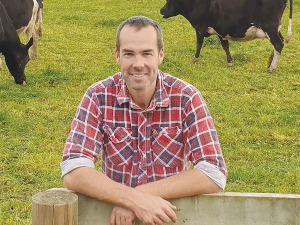
DairyNZ deputy chair Cameron Henderson has been re-appointed unopposed for another term.
OPINION: The stats speak for themselves.
Farms across the upper North Island are trialling different pasture mixes as part of a research programme that aims to build greater resilience into farming systems.
Election years are always a concerning time for farmers, according to DairyNZ chair Tracy Brown.
The Ballance Farm Environment Awards are coming to the West Coast of the South Island.