Editorial: Drones Are Not Toys
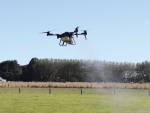
OPINION: David Seymour and James Meager's plan to make it easier for farmers and orchardists to operate drones can best be described a 'courageous' move.
 increase font size
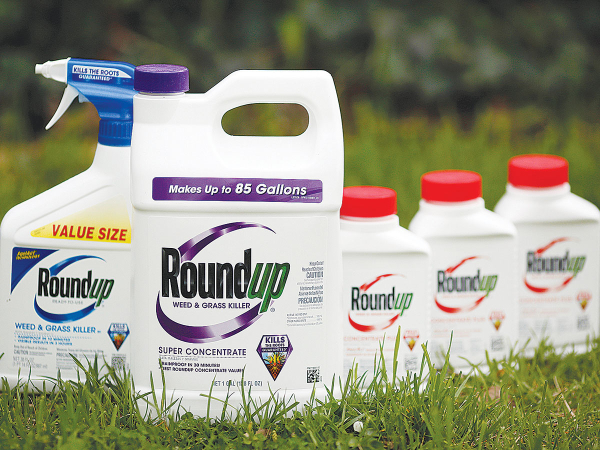 Glyphosate is most commonly marketed as Round Up.
OPINION: Growers and orchardists will be breathing easy following last week’s Environmental Protection Authority (EPA) ruling that there are no grounds to review the approval for the use of glyphosate.
Glyphosate – most commonly marketed as Round Up – is a herbicide sprayed onto the green foliage of plants, and absorbed within that plant to cause its death in about two weeks. Essentially, it kills the weeds that compete with the chosen crop for nutrients and water.
Glyphosate – most commonly marketed as Round Up – is a herbicide sprayed onto the green foliage of plants, and absorbed within that plant to cause its death in about two weeks. Essentially, it kills the weeds that compete with the chosen crop for nutrients and water.
A survey by Federated Farmers three years ago found that 93% of respondents used glyphosate. Farmers made it clear in the survey that they support continuing status quo use and regulation around glyphosate. They also made it clear that restricting or prohibiting the use of glyphosate would mean that they would be unable to farm to the same quality or quantity as they currently are.
The Environmental Law Initiative (ELI), applied to the EPA in February 2024 to decide whether there are grounds to reassess glyphosate and glyphosate-containing substances, cited significant new information about the negative effects of the substance.
After reviewing information provided by ELI and recent international research on the substance, a decision-making committee of the EPA has decided there are no grounds for a reassessment.
This is good news for our growers and orchardists. EPA’s ruling means they can continue to use herbicides like Round Up without new restrictions.
Farmers need the best tools and technological solutions to grow enough crops, using fewer natural resources to produce sufficient high-quality food, respect the environment, safeguard consumers and support themselves.
OPINION: David Seymour and James Meager's plan to make it easier for farmers and orchardists to operate drones can best be described a 'courageous' move.

The chair of the country's environmental regulator, the Environmental Protection Authority (EPA), says changes are already under way to improve the performance of the agency to better meet the needs of those who interface with them.
OPINION: The time has come for the Government to back the organic sector.
Glyphosate resistance threatens to significantly increase operational costs and reduce profitability in New Zealand vineyards, according to a new report.
Changes to an act of parliament seen as critical to speeding up access to overseas products to control pests and invasive species in NZ is unlikely to get passed before the November election.

Most dairy regions around the country have had a pretty good season so far says Tracy Brown.
Rural leader Mark Hooper has been appointed as an independent director to the NZPork board, bringing extensive farming, governance and advocacy experience to the role.
Opportunity says its land value tax (LVT) is unlikely to force farmers into a position where asset sales or increased debt are required.
Milk powder prices are keeping farmgate prices up, helping processors offset the dip in milk fat prices.
Climate, nature and animal wellbeing make up Fonterra's refreshed sustainability roadmap released last week.
The Government is introducing a new nationwide rural recycling scheme that will significantly increase the recovery of farm plastics from March next year, Minister for the Environment Nicola Grigg announced today.