The Environmental Protection Authority (EPA) is consulting on a proposal to ban weedkillers containing chlorthal-dimethyl (DCPA).
The public consultation runs from 7 August to 6 October 2025.
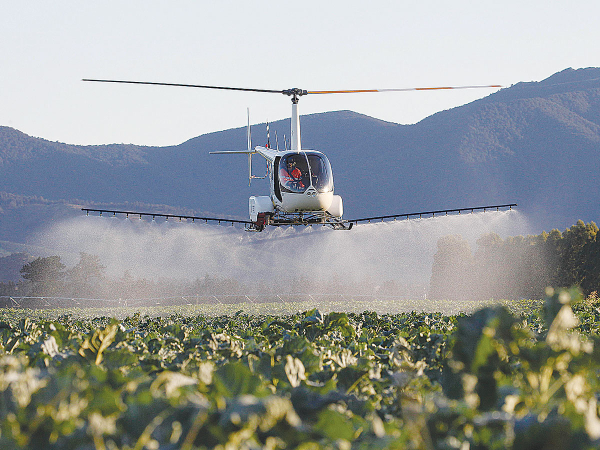
Chlorthal-dimethyl is a herbicide used to control wireweed on vegetable crops before the vegetables emerge from the soil.
In 2024, the EPA imposed restrictions on the chemical due to significant concerns about its effects on foetal development. This followed an emergency suspension order issued by the US Environmental Protection Agency.
"We analysed the toxicological studies, and these confirmed the potentially harmful effects of chlorthal-dimethyl," says Dr Shaun Presow, acting hazardous substances applications manager.
"Evidence indicates that chlorthal-dimethyl presents risk primarily to pregnant bystanders, or pregnant workers who work with chlorthal-dimethyl, or those who enter treated fields after the substance has been applied."
For anyone pregnant and exposed to the chemical, the endocrine effects could harm the development of the foetus and lead to significant impacts on offspring. These effects range from low birth weight to irreversible and life-long impacts, such as impaired brain development and motor skills.
Read More:
"Even the strictest application controls, such as wearing respirators and gloves during spraying, will not sufficiently protect pregnant workers.
"Our research of the data also showed that there is a risk of chlorthal-dimethyl contaminating groundwater regardless of controls put in place," says Presow.
Independent economic research found that the agricultural use of chlorthal-dimethyl was already fairly low. Information from chemical suppliers showed that about two-thirds of New Zealand growers have turned to using alternative products that are readily available and cheaper.
Among products containing chlorthal-dimethyl, Chlor-Back 75 WG is the only one currently registered under the Agricultural Compounds and Veterinary Medicines Act. Dacthal and Deramot Xtra products have been de-registered since the temporary restrictions were imposed.
The chemical is now banned in Australia, Canada, the European Union and the United States.
"The Hazardous Substances and New Organisms Act 1996 requires an extensive review and risk assessment before revoking substance approvals," says Presow.
"We have now reviewed the use of this substance and the risks and mitigations in detail. We believe the human health and environmental risks outweigh the benefits of continued use.
"If revoked, all herbicide approvals containing chlorthal-dimethyl as an active ingredient would no longer be approved under the HSNO Act and banned for import and manufacture in New Zealand."
If a ban were to happen, it would come into effect immediately and then the EPA would propose a six-month period for disposal of any existing stock.