International Day of Rural Women: Two DairyNZ Farmers’ Stories
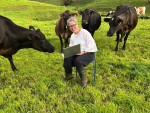
Today, 15 October, is the International Day of Rural Women, which recognises rural women’s contribution to farming, communities and the environment.
 increase font size
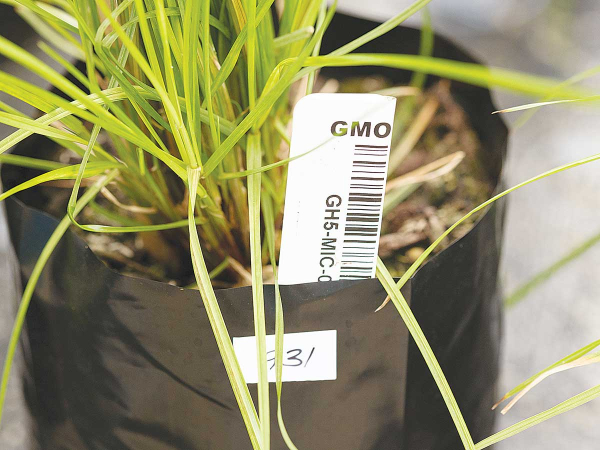 The furore surrounding the proposal to end New Zealand’s near 30-year ban on gene technology outside the lab isn’t going away.
OPINION: Submissions on the Government's contentious Gene Technology Bill have closed.
However, the furore surrounding the proposal to end New Zealand's near 30-year ban on gene technology outside the lab isn't going away. There's opposition from within the Government's traditional support base - farmers and growers.
Gene technology isn't all bad of course. It's seen as being able to deliver enormous benefits, including access to better cancer treatments, and increased productivity for farmers through such things as disease-resistant and drought-resistant grasses, and tools to help meet emissions targets. The bill is seen by many as a major milestone in modernising our laws to unlock the potential of science.
There's support for the intent of the bill from dairy and sheep and beef farmers. However, some farmers are worried about the trade and market access risk.
DairyNZ points out that there is a well-established system and practices used for production of high-grade seed crops, which provide a working example of co-existence in practice.
Beef+Lamb NZ says that there are potential opportunities to improve farmers' productivity and environmental impacts. However, it says there are also several potential risks that still need to be addressed in the proposed legislation. These include potential market or trade implications, traceability and co-existence, and how risks are classified.
State-owned AgResearch supports the bull and says it provides the opportunity to align NZ's activities and regulations with those of our major trading partners such as the US, Australia, China, and potentially the EU.
But there's opposition from organic farmers who claim the bill is a threat to organic and conventional farmers, makes GMO-free certification impossible and places financial risks on farmers, not biotech companies. They also claim that deregulation of GE products could remove mandatory labelling, leaving consumers unaware of what's in their food, and economic and trade risks for New Zealand's $1 billion organic industry.
The Government remains committed. Gene technology is a powerful tool that has the potential to deliver enormous benefits for New Zealand, it says. They may have the numbers to pass the bill, but should not ignore the views of those who don't want it enacted.
Today, 15 October, is the International Day of Rural Women, which recognises rural women’s contribution to farming, communities and the environment.
OPINION: New health and safety guidance unveiled by the Government recently provides farmers greater certainty about what is expected of them when managing risks on farm.
The first major update to the Dairy Cattle Code of Welfare in more than a decade has been released, marking what DairyNZ describes as an important step in ensuring animal welfare standards continue to evolve alongside scientific evidence and on-farm realities.
OPINION: Have a plan in place now!
Have a plan in place for your cows and staff.


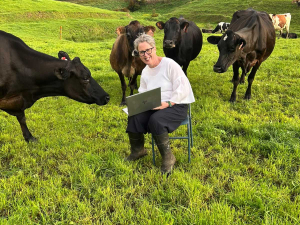
Today, 15 October, is the International Day of Rural Women, which recognises rural women’s contribution to farming, communities and the environment.

Global dairy giant Lactalis has integrated its Australian operations with the Mainland Dairy consumer business it acquired from Fonterra earlier this year.
After almost two decades of sharemilking, saving and building equity, Aaron and Marcia Flay this year realised their long-held dream of settling on their first dairy farm.
Good medium to long term prospects for NZ beef, especially in the US, has heighted the focus on various initiatives to capitalise on this situation.
High country stations, mixed sheep and beef farms, Māori-owned farms, corporates and family operations are among the nine commercial farms taking part in the Livestock Innovation Farming Transformation programme, known as LIFT.
OPINION: New health and safety guidance unveiled by the Government recently provides farmers greater certainty about what is expected of them when managing risks on farm.