Drought drops sheep, cattle numbers
Sheep and cattle numbers continue to decline, and this year's drought hasn't helped, according to Beef + Lamb New Zealand (B+LNZ).
 increase font size

OPINION: Our Aussie mates never miss a chance to put one over us, as seen in a recent op-ed by farm analysts 'Episode 3'.
The Bruces not only clocked the 45% drop in our national sheep flock since 2000, they're also very interested in the decline in our breeding ewe numbers to 14.28 million - a clear signal of our future production capacity.
Or as the Ockers called it, "a strategic opportunity for Australia".
They've also correctly ID'ed one of the main causes of this decline, "the conversion of grazing land to forestry for carbon farming".
This old mutt reckons we're not out of the game yet though, as long as we keep pressure on the powers that be to stop the drift from sheep to trees.
The Bruces are banking on that falling on deaf ears!
Sheep and cattle numbers continue to decline, and this year's drought hasn't helped, according to Beef + Lamb New Zealand (B+LNZ).
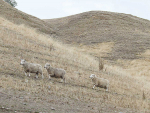
The number of sheep fell by 3% in the year ended June 2020, Statistics NZ says.

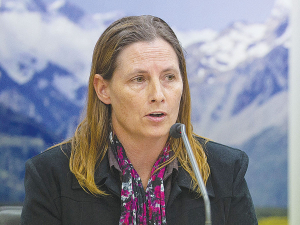
Katie Milne, former Federated Farmers president, has been announced as the National Party’s candidate for the West Coast-Tasman electorate.

Alliance has announced two key appointments within its senior leadership team.
A Rangitikei farmer has been indefinitely banned from owning animals and sentenced to serve 9 months and 3 weeks’ home detention following animal welfare failures that caused the death of more than 140 animals.
Potatoes New Zealand is reflecting on its legacy of innovation, resilience and a commitment to growers as it gets ready to mark its birthday on 17th April.
New Zealand's food and fibre sector is entering a period of significant transition and Irricon's refreshed brand reflects how both the business and the sector it supports have evolved, says director Keri Johnston.
The executive director of the Global Dairy Platform (GDP) Donald Moore says research being done at Massey University's Riddet Institute will help avert world hunger.