Ravensdown Elects Montgomery, Acland to Board
Ravensdown shareholders have elected Jane Montgomery and Kate Acland to the Ravensdown Board for three-year terms, following a closely contested director election.
 increase font size
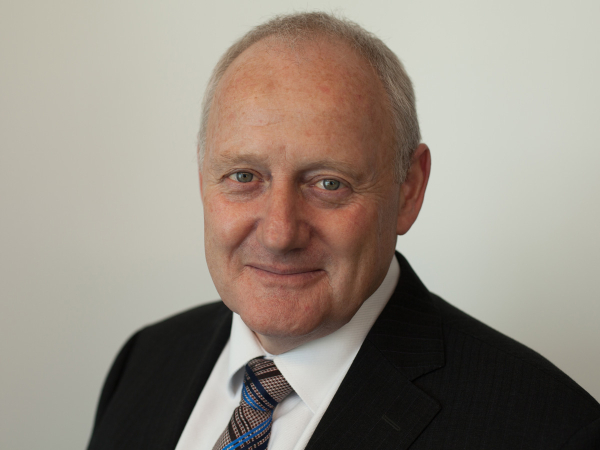 Ravensdown chief executive Garry Diack says it has been a challenging period for traditional farming.
Fertiliser co-operative Ravensdown says farmers bought 27% fewer products last financial year as prices soared.
Announcing its annual results, the co-operative noted while farmers’ annual spend remained constant, tonnage sold dropped from 1.2 million tonnes the previous year to 895,000 tonnes for the financial year ending May 31, 2023.
It ended the year with a net profit before tax of $429,000. A tax benefit takes the co-operative’s 2023 net profit after tax from continuing operations to $2.9 million.
Reported revenue of $977 million includes insurance proceeds for flood damage and a fire at the co-operative’s Napier plant and is on par with last year’s reported revenue of $922 million. The co-op is not paying a rebate to shareholders.
Ravensdown chief executive Garry Diack notes that it is a challenging period for traditional farming practice.
Diack says Ravensdown’s policy has been to deliver competitive pricing throughout the year, effectively absorbing fertiliser prices in recent times through reduced margin.
“Having distributed value in this way, we finished the year below forecast income and are not in a position to pay a year-end rebate.
“We have also undertaken specific initiatives to reduce operating expenditure through a review of the organisation’s capital expenditure and overhead costs.”
Despite the difficult operating environment, Ravensdown has maintained a strong focus on working capital, with tighter inventory management and reduced supply chain volatility resulting in a positive $119 million cash turnaround from the previous financial year. Stock impairment at year end is $4.2 million.
Bruce Wills, Ravensdown chair, noted the coop’s ongoing focus on balance sheet strength within this high cost and low profitability environment.
“This year’s financial results, which include an improved equity ratio from 62% to 74%, has highlighted the importance of a conservative approach to managing the co-operative’s balance sheet.
“While external factors throughout 2023, such as Cyclone Gabrielle and increasing farm input costs, put pressure on cashflow and profitability, equity levels remain robust.
“Within a broader operating environment, we have seen signs that current fertiliser prices will maintain their stability through spring.”
Ravensdown continued to invest in technologies and partnerships to bring future scale benefit to customers and shareholders, such as the sustained development of HawkEye, AgriZeroNZ for greenhouse gas reduction technologies, and the new commercial venture arm, Agnition.
Ravensdown shareholders have elected Jane Montgomery and Kate Acland to the Ravensdown Board for three-year terms, following a closely contested director election.
OPINION: It appears to be difficult for people who haven’t tried to run a business to understand the difference between assets and cash.
OPINION: In the 1980s, concern was expressed in West Germany about the falling birth rate. Some simple analysis was performed by Professor Helmut Sies, physician and biochemist at Dusseldorf University. His letter ‘A new parameter for sex education’ was published in Nature in 1988:
When it comes to annual rebates, it's been a long time between drinks for Ravensdown shareholders.
Ravensdown has reported a net profit before tax and rebate of $50.1 million for the year ended 31 May 2026.


Safer Farms is urging farmers to make sure everyone working on farm has safe, suitable footwear for the job.
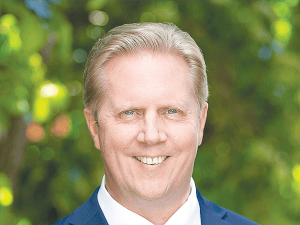
The Government is backing work on a community-led water storage scheme that could irrigate up to 11,000 more hectares of the Poverty Bay flats, Agriculture Minister Todd McClay says.
Agri-tech company Herd-i has become a new all-region sponsor of the New Zealand Dairy Industry Awards (NZDIA), the largest nationwide celebration of excellence in the dairy sector.
Four candidates have been confirmed for two director positions on Fonterra’s board.
Returning to the family dairy farm after playing 20 years of professional rugby around the world is no easy task.
After delivering another record farmgate milk price to 100 supplying farms, independent milk processor Tatua is entering thee new financial year with a positive outlook.