BCS Targets: Why Body Condition Score Matters at Calving
Body Condition Score (BCS) is a critical element in managing the health and reproduction of the dairy herd.
 increase font size
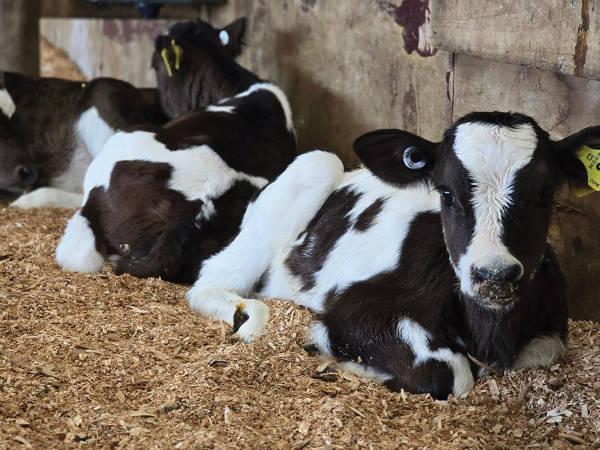 Calves that grow faster between three and five weeks of age develop better mammary tissue.
For decades, probiotics in calf rearing have been treated as a reactive tool – something to reach for when illness strikes. That thinking, according to Matt Collier of Probiotic Revolution, is leaving significant money on the table.
“The biggest benefit isn’t just keeping calves healthy during a challenge,” Collier says.
“It’s achieving faster growth rates while calves are on milk — and setting them up for a lifetime of better performance.”
At the heart of Probiotic Revolution’s approach is what Collier calls the advanced calf rearing system — a method that combines high milk intake with consistent probiotic supplementation through their product, Calf Xtreme. The system is built on a straightforward biological principle: calves that grow faster between three and five weeks of age develop better mammary tissue, which directly translates to greater milk production later in life.
The mechanics behind it are equally practical. When milk is fed in volumes that exceed the abomasum’s capacity, the overflow passes into the rumen – carrying probiotics with it. This supports rumen microflora, improves digestion, and drives voluntary feed intake. The result is calves that eat more meal, hay, and grass, and reach target weaning weights up to two weeks ahead of schedule.
One farmer’s experience illustrates the effect clearly. Feeding heifer calves three litres twice daily, he noticed they showed little interest in meal at two to three weeks of age. On Collier’s advice, he shifted to four litres in the morning with the Calf Xtreme and two at night – and meal consumption picked up immediately. Moving to six litres once a day produced even stronger results.
By day ten, farmers operating on this once-aday system are typically achieving intakes of five litres for Jerseys, six to seven litres for Crossbreds, and seven to eight litres for Friesians.
The performance gains have been demonstrated across operations of varying sizes, but perhaps nowhere more strikingly than at Top-Notch Calves, run by Chris Horan. In 2024 – the first year Horan used Calf Xtreme – he reared 7,000 calves, with just 212 requiring treatment in sick pens and only eight deaths.
“With the cost of buying in calves, the savings from reduced losses are significant,” Horan notes.
“We’ve largely avoided having a tail mob, they reach saleable weights earlier, and we get glowing reports from bull farmers on the subsequent growth rates of these calves.”
Many farmers are now aiming to have a target of 1kg liveweight gain from birth to Christmas. For Kapuka dairy farmers Brooke and Blair McKenzie, rearing 800 Friesian heifer and bull calves, this target has become a reality. They get onto a 7 – 8 litre milk intake by day 10 and hold that level. Even when rotavirus moves through the shed – In-spite of their best-efforts to prevent it – tripling or quadrupling the dose rate of Calf Xtreme sees calves recover within days. In 2024, the McKenzies recorded just two unexplained deaths after calves left the shed.
The evidence building around advanced calf rearing points to a fundamental reassessment of where value is created in the dairy system. The calf shed, long treated as a cost centre to be managed rather than an opportunity to be captured, is emerging as one of the highest-leverage points on the farm.
As one Canterbury farmer discovered after a two-year break from Calf Xtreme – during which milk records showed a 40-kilogram milk solids drop in heifer production – the gains are real, measurable, and difficult to replicate by other means. He has since returned to the system.
 |
|---|
|
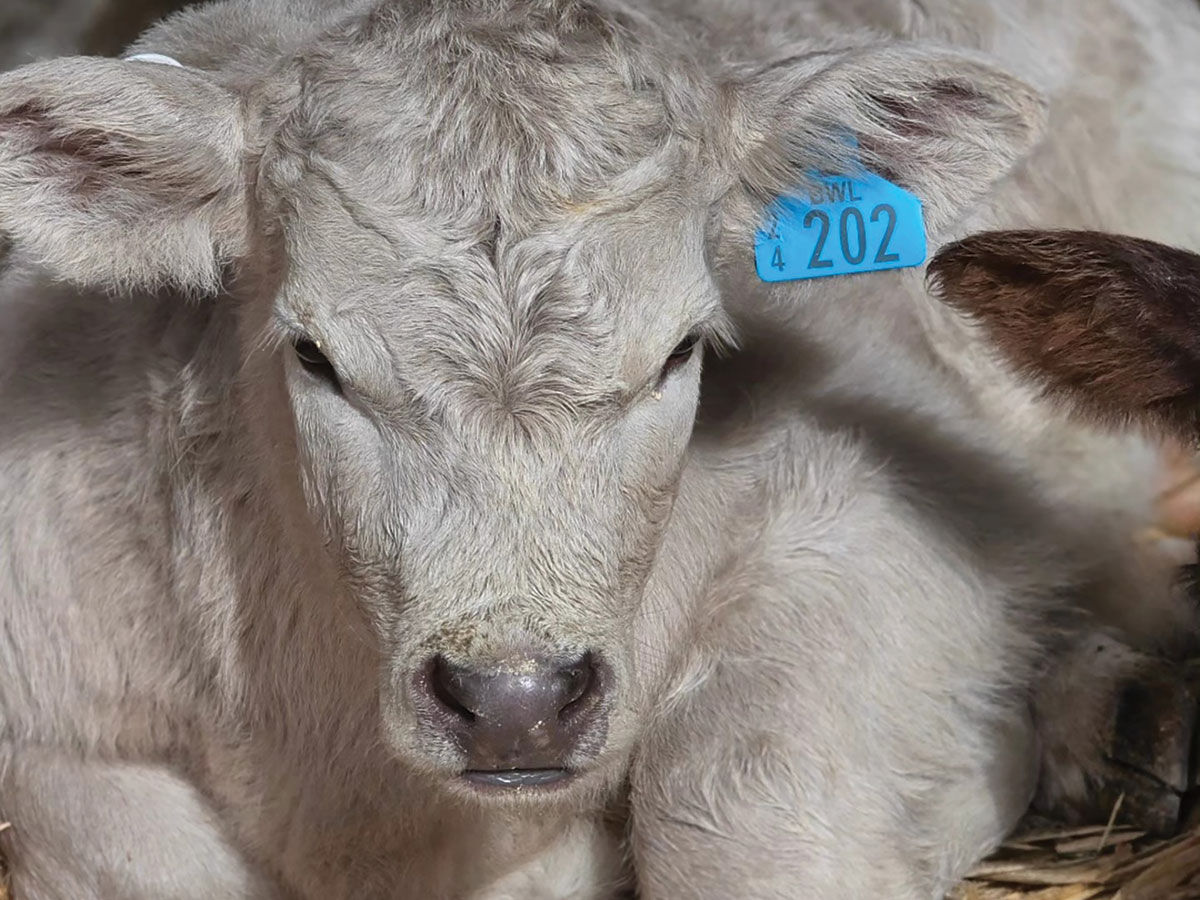
At the heart of the advanced calf rearing system is high milk intake with consistent probiotic supplement. |
The message from farmers who have adopted the approach is consistent: the investment in advanced calf rearing pays back not once, but across the entire productive life of the animal.
What distinguishes the advanced rearing system from conventional approaches is that its benefits don’t stop at weaning. Calves raised on the system consistently outperform their peers in post-weaning growth, and farmers report reduced drenching requirements – suggesting the system may be building stronger natural resistance to worm burdens.
Collier believes the mechanism is twofold. “Initially I put the post-weaning gains down to better rumen development. Now I think it’s also about a stronger immune system providing earlier natural resistance to worm burdens.”
Heifer grazers operating in high-worm-burden environments have confirmed as much, noting that Calf Xtreme-reared calves deliver the best growth rates and require the least intervention.
The downstream impact on milk production is where the economics become compelling. Stratford dairy farmer John Weir shifted from two litres twice daily to seven to eight litres once a day by day ten. Milk production from those heifers, compared with mixed-age cows, rose by 50 kilograms of milk solids – worth $500 per heifer
For Cambridge dairy farmer Joe McDonald, having bigger heifers at calving has changed his farming philosophy to go for higher per cow production, with no increase in feed inputs. “We always fed our calves a high rate of milk, so there was no change in volume, but hay consumption increased substantially for the 5 weeks they are in the shed. Our calves go out to grazing 7-10 days earlier in late November or early December, and they are 5 - 10 kgs heavier. While we are happy with these subtle improvements it’s the continued improvement thereafter in weight gains that results in substantially better heifers returning from grazing. On a weight gain contract, the grazier is so happy with their performance, and we get heifers back that are nearly indistinguishable in size from the mature herd. With better heifer production we now milk less cows – feed them better, and we’ve had to put in a bigger vat”.
Body Condition Score (BCS) is a critical element in managing the health and reproduction of the dairy herd.
Giving calves the best possible start to life has been shown to boost growth and resilience.
The first weeks of a calf's life quietly shape the future of the entire herd.
In calf rearing, the smallest details often have the biggest impact. While feed and genetics remain critical, bedding is increasingly recognised as a key driver of calf health, growth, and overall performance.
When a cow goes down after calving, it is easy to blame the calving itself. Milk fever, calving stress, poor weather, bad luck. Yet many down cows are not caused by one dramatic event. They are the end result of poorly transitioned cows entering calving under nutritional pressure.



LIC shareholders have elected a new North Island representative to the co-operative's Board, along with five representatives to its Shareholder Reference Group (SRG), following the company's Annual Meeting held in Invercargill.
Farmers across parts of Southland and South Otago are continuing to deal with difficult conditions after a prolonged run of wet weather, with pressure building around feed supply, stock management, pasture damage, farm infrastructure and everyday workloads.
Federated Farmers says it welcomes Labour's commitment to reviewing the Sharemilking Agreements Act, calling on other major parties to do the same.
For Canterbury dairy farmers Sian Meijer and Rick Wobben, wearable technology has become one of their most valuable on-farm tools - helping manage 1850 cows across an expansive, high-performing dairy operation while improving efficiency, mating outcomes and day-to-day decision making.
Fonterra has unveiled its annual results for the 2026 financial year, posting $27 billion in revenue and close to $20 billion returned to New Zealand farmer owners and unit holders.
The first major update to the Dairy Cattle Code of Welfare in more than a decade has been released, marking what DairyNZ describes as an important step in ensuring animal welfare standards continue to evolve alongside scientific evidence and on-farm realities.