CRV has produced the first homozygous polled bull to make New Zealand’s prestigious Ranking of Active Sires (RAS) list, demonstrating the strides the company is making in breeding top-quality polled bulls.
The Jersey bull, Gym, is currently ranked 31 on the RAS list with a Breeding Worth (BW) of 464 (August 2024). Gym boasts size, and capacity, and excels in health and production traits.
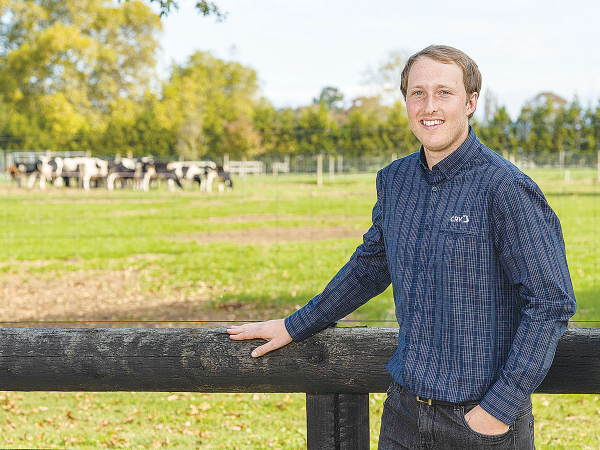
Gym was bred by Gordon Ferguson of Horopito Jerseys from Ross on the West Coast, a long-time supporter of polled genetics. CRV genetics product manager Mitchell Koot says Gym’s place on the RAS list shows that genetic excellence and polled traits can go hand in hand.
“Gym’s place on the RAS list means farmers can breed for polled (hornless), without sacrificing genetic merit,” says Koot.
He says breeding high-quality polled bulls has been a focus for CRV as the company seeks to support New Zealand farmers who are committed to the highest animal welfare standards, wanting to lower their costs and meet the needs of changing consumer preferences.
Calves born without horns remove the need for disbudding, improving animal welfare, and reducing labour and costs, says Mitchell.
“Gym has size and capacity to go with his excellent health and production traits, resulting in him being one of our top 10 selling Jerseys this season, which reflects the quality and demand for this polled bull.”
Koot says CRV has made a significant investment in its polled breeding programmes internationally across Holland and the USA. That work, combined with CRV’s efforts in New Zealand is paying farmers dividends with plenty of high-quality polled bull options to choose from.
“New Zealand dairy farmers now have much greater choice of polled bulls for their breeding programmes. With 20 per cent of our bull breeders now using polled genetics and increasing adoption of technologies like embryo transfer, one of the fastest ways to accelerate genetic gain, the future looks promising for high-genetic-merit polled bulls,” says Koot.
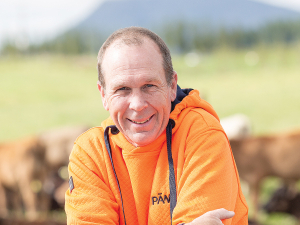
April and Jason Dibble now own the herd that Gym was bred from and are continuing the legacy. They have more contract matings with CRV this season and they also used Gym as a sire on some of their herd this year.
“If you can remove the need to dehorn or to disbud, that is good for animal health and the farmer. We’re proud to continue supporting CRV and build on the good work of Gordon, our herd’s previous owner, to improve polled genetics,” says April.
“Good genetics are everything. It’s not just about breeding worth. To get a bull-like Gym that is polled and with other valuable traits, is great to see.”