One and One Don't Make Three
OPINION: Since when did one and one make three? Who didn't smell an elephant-sized rat when our leaders decided to give $60 million to save the cement factory in Northland?
 increase font size
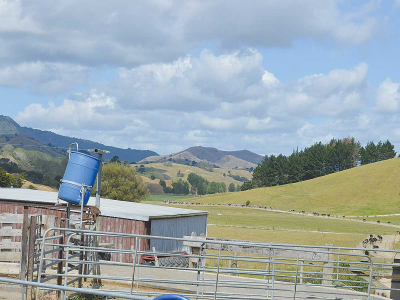 Parts of Northland remain green: parts are drying out quickly.
Water is the central and sole focus of this year’s dry so far, says Julie Jonker of Northland Rural Support Trust.
While most drought-like conditions are about water, usually other factors are involved as well, she told Dairy News.
But when it is only water, this means little can be done at this stage except provide support, she says. Rural Support Trust, DairyNZ, Beef+Lamb, Fonterra and the Northland Regional Council met in Northland last week and will meet again next week.
Waikato and South Auckland agricultural industry representatives are also closely monitoring changes. The Waikato Primary Industry Adverse Event Cluster core group convened last Tuesday to review conditions and how farmers are coping.
Jonker says feed is okay, but water is varied and that is the difficulty. Some areas are still okay. Other areas are in a really difficult situation,” she says.
“When it is just about water, there is so little you can do to actually help the situation other than provide messaging and support.” Huge amounts of cash will not help.
“In some areas it has been driest in years. Whangarei itself has had 50% of its annual rainfall.
“We didn’t get the water table replenishment we would normally expect during winter.
“A lot of people that rely on dams and even creeks that normally would flow at this time of year are in difficulty. People are saying that for the first time in decades the creeks are running dry and there are severe water restrictions being put on different areas in Northland.
“No matter what we do we can’t make more water.”
Previous droughts usually have had other aspects.
“Previously for instance we may have had wet cold winters then dry cold springs when farmers haven’t been able to make supplements.
“But because it was a reasonably dry winter then a reasonable spring, there was good grass growth, good production before Christmas and supplements have been made on most farms. I’d hate to say all farms because some farms weren’t able to make it because they were in a different type of situation but most farmers were able to make good supplements this year. “
The situation is being monitored and community collaboration dinners will start in February.
The message is to look after yourself, your stock and your neighbours if possible, she says.
“Talk to your neighbours. There might be things you can do together.
“If feed situation gets tight we may be at the stage where we may do a survey of what contractors have got feed available so that when people call we can say ‘ you can contact this contractor’.
“We are trying as best we can to make sure we can provide the contact points for people when they need things.”
OPINION: Since when did one and one make three? Who didn't smell an elephant-sized rat when our leaders decided to give $60 million to save the cement factory in Northland?
New Zealand needs to make sure that it continues to focus on its own food security, according to HortNZ board member and blueberry grower Dermott Malley.
A five-year study has found that the cost of reducing emissions without technology may be significant and unsustainable for Northland dairy farmers.
Today marks the first day of operations for Waikato Waters, a new council-controlled organisation established by six district councils to deliver water and wastewater services for their communities.
New Zealand’s rural sector has once again demonstrated its generosity, with the second Rural Industry Leaders Dinner, Debate and Auction raising an impressive $400,000 for the Rural Support Trust.


An Auckland gelato shop and an established New Zealand ice cream maker have both been named Supreme Champions at the NZ Ice Cream & Gelato Awards 2026.

As the cost-of-living crisis continues to put pressure on household grocery budgets, new figures show pork remains one of the most affordable fresh meat options for New Zealand families.
OPINION: In politics, credibility is and should be big. It must surely rank higher than charisma, which is quite trite and superficial. Yet, voters nowadays are often wooed and influenced by how someone looks or talks at a superficial level. TV plays a huge role in this.
Farmers can spend less time on paperwork, thanks to a new data sharing agreement between DairyNZ’s DairyBase and LIC’s MINDA software.
Kaikōura families affected by July's severe storm have found a practical solution to a problem that's kept some children away from regular schooling for weeks: a washed-out section of Inland Kaikōura Road, which has stopped the local school bus from running its usual route.
Rural New Zealand is welcoming the Government’s recent package of rural healthcare initiatives.